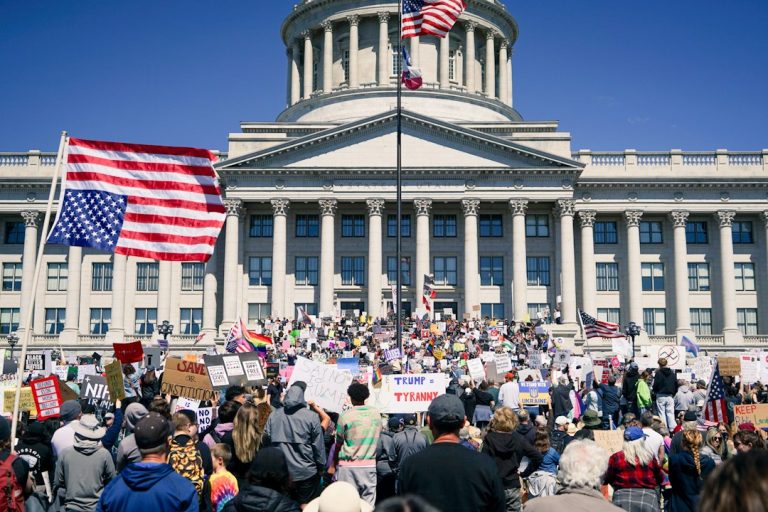
Citizen responsibility isn’t some abstract concept relegated to textbooks; it’s the active, ongoing participation of individuals that breathes life into democracy every single day. When citizens step up, engage, and hold themselves accountable, they create a stronger, more resilient system of governance that truly reflects the will of the people. It’s about more than just voting; it’s a constant give-and-take, a collective effort to shape the society we live in.
Understanding the Bedrock of Democracy
Democracy, at its core, is a system of government by the whole population or all the eligible members of a state, typically through elected representatives. But that’s just the mechanical definition. The spirit of democracy lies in its citizens – their freedoms, their obligations, and their collective power. Without active citizens, a democratic framework can quickly become an empty shell, susceptible to manipulation or decay. This isn’t about grand gestures or heroic acts for most people; it’s about consistent, often small, actions that collectively build a robust foundation.
Defining Citizen Responsibility Beyond the Ballot Box
When we talk about citizen responsibility, many immediately think of voting, and while that’s undeniably crucial, it’s just one piece of a much larger puzzle. It encompasses a broader spectrum of behaviors and attitudes. It’s about being informed, holding leaders accountable, participating in local communities, respecting the rights of others, and even paying taxes – all these seemingly disparate actions contribute to the overall health and functionality of a democratic society. It’s about understanding that freedom comes with obligations, and that the well-being of the collective often depends on individual choices and actions.
Why Individual Actions Matter More Than You Think
It’s easy to feel like one person’s actions don’t make a difference in a sea of millions. However, democracy is inherently a bottom-up system. Policies are debated and shaped by representatives who ideally respond to the needs and values of their constituents. If those constituents are silent, uninformed, or disengaged, the system becomes less responsive and less representative. Every letter written, every protest attended, every community meeting contributed to, every shared piece of verified information, builds a cumulative force that can shift public discourse, influence policy, and hold power to account.
Citizen responsibility is a cornerstone of a thriving democracy, as it empowers individuals to actively participate in the governance process and advocate for their rights and the rights of others. A related article that delves into the importance of civic engagement and the role of citizens in shaping democratic values can be found at this link: Freedom is Your Right: A Message of Truth and Hope for Venezuela. This piece highlights the struggles faced by citizens in Venezuela and underscores the vital role that civic responsibility plays in the fight for freedom and democracy.
How Engaged Citizens Fortify Governance
Active citizen responsibility directly impacts how our government functions. It’s the pressure valve, the feedback loop, and sometimes, the guiding hand that keeps the machinery of governance running smoothly and justly. When citizens are engaged, government tends to be more transparent, accountable, and ultimately, more effective in serving the public good.
1. Informed Voting: Shaping Leadership and Policy
This is perhaps the most direct and widely recognized form of citizen responsibility. Going to the polls isn’t just about choosing a name on a ballot; it’s about making a deliberate choice about the direction of your community, state, or country.
Researching Candidates and Issues Thoroughly
An informed vote means going beyond soundbites and partisan rhetoric. It involves researching candidates’ past voting records, their stances on key issues, their proposed policies, and their overall vision. It also means understanding the propositions and referendums on the ballot. This requires reading diverse news sources, fact-checking claims, attending town halls, and engaging in respectful discussions. When voters understand the implications of their choices, they elect representatives who are more likely to align with their interests and values, leading to more representative and responsive governance. This due diligence ensures that elected officials truly reflect the desires of the populace rather than merely benefitting from name recognition or clever advertising.
Holding Elected Officials Accountable
Voting doesn’t end with Election Day. Citizen responsibility extends to continuously monitoring the performance of elected officials. Are they delivering on their campaign promises? Are their votes in line with their stated positions? Are they serving the public interest or special interests? This ongoing scrutiny, facilitated by access to public records and media reporting, allows citizens to apply pressure when officials deviate from their mandate. It ensures that representatives remain conscious of their obligations to their constituents, knowing that their actions will be evaluated when the next election cycle rolls around.
2. Civic Participation: Beyond the Ballot Box
While voting is critical, it’s just one facet of civic engagement. There are numerous other ways citizens can actively participate in strengthening their democracy on an ongoing basis.
Attending Local Government Meetings and Debates
Many significant decisions that directly impact daily life are made at the local level – city councils, school boards, planning commissions. Attending these meetings, even occasionally, provides direct insight into how local government operates, allows citizens to voice concerns, and enables them to influence policies before they become law. It’s a grassroots form of democracy where individuals can truly see the immediate impact of their participation. Being present at these meetings also signals to local officials that their constituents are paying attention, often leading to more thoughtful decision-making.
Volunteering for Community Service and Advocacy
Volunteering time and skills to community organizations, non-profits, or advocacy groups directly addresses societal needs and strengthens the social fabric. Whether it’s helping at a local food bank, mentoring youth, or participating in environmental clean-ups, these actions build stronger communities from the ground up. Advocacy groups, in particular, play a crucial role in bringing specific issues to the attention of policymakers, lobbying for change, and providing expertise that can inform legislation. These efforts often fill gaps that government cannot or does not address, creating a more resilient and compassionate society.
3. Fostering Civil Discourse: The Foundation of Progress
A healthy democracy thrives on the exchange of ideas, even (and especially) when those ideas differ. Citizen responsibility here means engaging in these exchanges constructively.
Engaging in Respectful Dialogue and Debate
Democracy is not about monolithic agreement; it’s about finding common ground and making decisions through reasoned debate. Citizens have a responsibility to engage in discussions about political and social issues in a way that is respectful, open-minded, and focused on understanding, rather than merely winning an argument. This means listening actively, articulating one’s own views clearly, and being willing to consider different perspectives, even if they don’t change one’s mind. The ability to disagree without being disagreeable is vital for preventing societal polarization and ensuring that diverse viewpoints are heard and considered.
Promoting Media Literacy and Critical Thinking
In an age of abundant information (and misinformation), the ability to critically evaluate sources and identify bias is a paramount citizen responsibility. Sharing unverified information, especially on social media, can quickly erode public trust and polarize communities. Citizens must cultivate media literacy – the skill of analyzing and evaluating media messages – to discern fact from fiction, understand different perspectives, and make informed judgments. This critical thinking safeguards the informational environment, which is the oxygen of a functioning democracy, preventing the spread of harmful narratives that can undermine public discourse and civic trust.
Upholding the Rule of Law and Shared Values
Democracy isn’t just about electing leaders; it’s about a framework of laws and shared understanding that binds society together. Citizen responsibility plays a critical role in maintaining this framework.
4. Respecting Laws and Institutions: The Orderly Society
For a democratic society to function, there must be a foundational respect for its laws and the institutions that uphold them. This isn’t blind obedience, but rather a recognition of the collective agreement.
Adhering to Laws, Even When Disagreeing
A cornerstone of any stable society is adherence to the rule of law. While citizens have the right to protest and advocate for changes to laws they disagree with, they also have a responsibility to obey existing laws until they are changed through democratic processes. Widespread disregard for laws, even those perceived as unjust, can lead to anarchy and instability, undermining the very framework of order upon which democracy relies. This balance between individual rights and collective obligations is delicate but essential for maintaining societal cohesion.
Supporting Independent Institutions (e.g., Judiciary, Free Press)
Democratic health is heavily reliant on independent institutions that act as checks and balances on power. Citizens have a responsibility to understand and support the role of a free and independent press in holding power accountable and informing the public. Similarly, an impartial judiciary is vital for ensuring justice and upholding the constitution. Undermining these institutions through baseless attacks or the spread of misinformation weakens their ability to perform their essential functions, thereby weakening democracy itself. Supporting them means defending their independence and recognizing their critical role, even when their decisions or reports are unpopular.
5. Paying Taxes: Funding Public Services and Infrastructure
Paying taxes is often seen as a burden, but it is a fundamental citizen responsibility that directly powers the machinery of democracy and provides for the common good.
Understanding the Purpose and Impact of Taxation
Taxes are not just deductions from a paycheck; they are the collective investment citizens make in their society. They fund everything from education and healthcare to roads, national defense, and social safety nets. Understanding how taxes are collected and where they are allocated helps citizens appreciate their crucial role in maintaining and improving public services. When citizens fulfill their tax obligations, they enable the government to provide the essential services that enhance the quality of life for everyone and contribute to a well-functioning society.
Ensuring Equitable Contribution to Society
Tax evasion or avoidance, while sometimes legally complex, ultimately undermines the shared responsibility of funding public services. When some individuals or corporations shirk their tax obligations, the burden disproportionately falls on others, or public services suffer. Citizen responsibility here involves not only paying one’s fair share but also advocating for a tax system that is equitable and transparent, ensuring that everyone contributes proportionally to the common good. This collective contribution is a direct reflection of a society’s commitment to its shared future.
Strengthening the Fabric of Community
Democracy isn’t just about government; it’s about people living together and working towards common goals. Citizen responsibility plays a huge role in fostering strong, cohesive communities.
6. Embracing Diversity and Inclusion: A Stronger Collective
A truly robust democracy celebrates its diversity, recognizing that different perspectives and backgrounds enrich the collective experience and lead to more comprehensive solutions.
Valuing Different Perspectives and Backgrounds
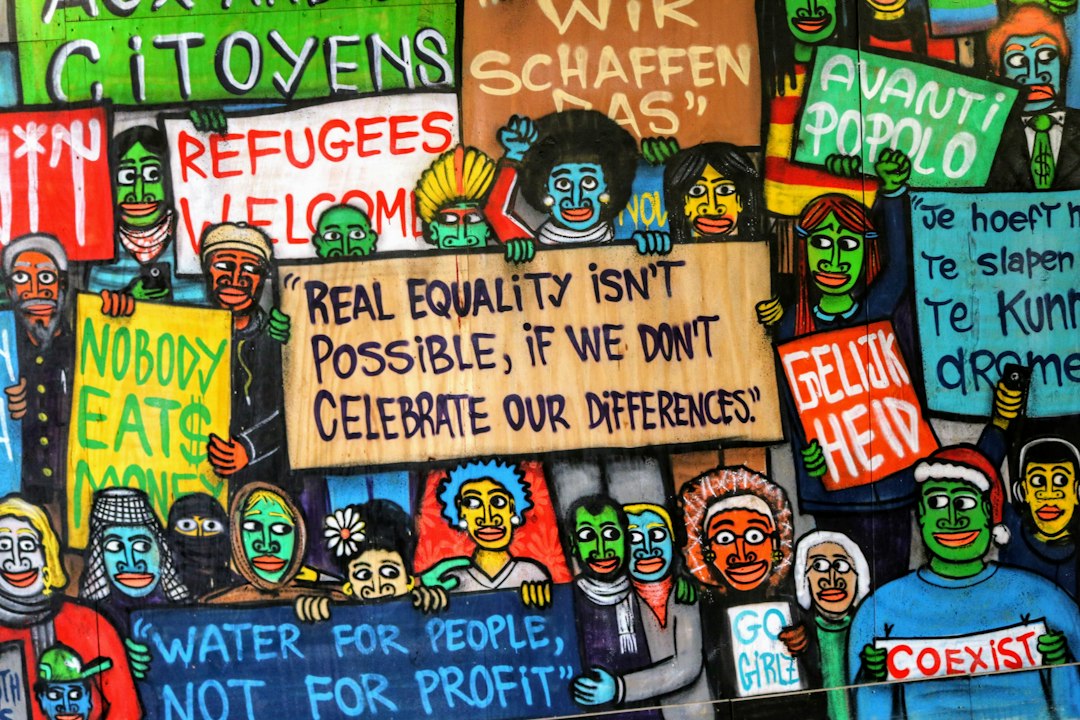
Democracy thrives on the marketplace of ideas. Citizens have a responsibility to embrace and respect the diversity of experiences, cultures, and viewpoints within their communities. This means actively listening to and valuing individuals from different ethnic, religious, socioeconomic, and political backgrounds. When all voices are heard and respected, decisions are more robust, policies are more inclusive, and society as a whole becomes more resilient and fair. It’s about fostering an environment where difference is seen as a strength, not a source of division.
Actively Combatting Discrimination and Inequality
A core tenet of democracy is equality before the law and equal opportunity for all. Citizens have a responsibility to actively challenge and work to dismantle discrimination and systemic inequalities wherever they encounter them. This can involve advocating for civil rights, supporting policies that promote equity, speaking out against prejudice, and engaging in personal introspection to address unconscious biases. By striving for a society where everyone has a fair chance to participate and thrive, citizens strengthen the democratic ideal of justice for all.
7. Protecting the Environment: A Shared Future
Environmental stewardship is increasingly recognized as a vital component of citizen responsibility, as the health of our planet directly impacts human well-being and future generations.
Advocating for Sustainable Practices and Policies
Citizens have a responsibility to advocate for policies and practices that promote environmental sustainability, from renewable energy initiatives to conservation efforts. This involves supporting political candidates who prioritize environmental protection, participating in environmental advocacy groups, and engaging in consumer choices that minimize ecological impact. When citizens demand environmental responsibility from their leaders and corporations, they help secure a healthy planet for current and future generations, which is foundational to any functioning society.
Participating in Local Conservation Efforts
Beyond policy advocacy, direct participation in local environmental initiatives is a tangible way to demonstrate citizen responsibility. This could include volunteering for park clean-ups, participating in community gardening projects, conserving water and energy at home, or supporting local recycling programs. These localized actions collectively contribute to broader environmental health, demonstrating a commitment to shared resources and the long-term well-being of the community.
Citizen responsibility plays a crucial role in the functioning of democracy, as it encourages individuals to actively participate in their communities and hold their leaders accountable. A related article that delves deeper into this topic can be found at I Want Liberty, where it discusses the importance of civic engagement and the responsibilities that come with the rights of citizenship. By understanding and embracing these responsibilities, citizens can contribute to a more vibrant and effective democratic process.
Ensuring Future Democratic Health
| Metric | Description | Example Data | Significance |
|---|---|---|---|
| Voter Turnout | Percentage of eligible citizens who participate in elections | 65% | Indicates citizen engagement and legitimacy of democratic processes |
| Civic Participation | Involvement in community activities, public meetings, and civic groups | 40% of adults participate regularly | Reflects active citizenship and community responsibility |
| Political Knowledge | Level of understanding of political systems and current affairs | Average score: 70/100 on civic knowledge tests | Essential for informed decision-making and accountability |
| Trust in Government | Percentage of citizens expressing confidence in government institutions | 45% | Impacts willingness to comply with laws and participate in democracy |
| Volunteerism Rate | Percentage of citizens volunteering for social or political causes | 30% | Demonstrates commitment to societal well-being and democratic values |
| Freedom of Expression Index | Measure of citizens’ ability to express opinions without censorship | Score: 75/100 | Critical for open debate and democratic health |
The work of strengthening democracy is never truly finished. It requires ongoing dedication, especially from citizens, to ensure that the system remains vibrant and capable of adapting to new challenges.
8. Promoting Education and Civic Literacy: Empowering Future Generations
An informed citizenry is the lifeblood of democracy. Citizen responsibility extends to ensuring that future generations are equipped with the knowledge and skills to participate effectively.
Supporting Quality Public Education
Strong public education systems are crucial for fostering an informed and engaged citizenry. Citizens have a responsibility to advocate for well-funded schools, support educators, and promote curricula that emphasize critical thinking, civic responsibility, and an understanding of democratic principles. By ensuring access to quality education for all, citizens invest in the foundational knowledge necessary for active participation in a complex democratic society. It ensures that every individual has the opportunity to understand their rights and responsibilities.
Mentoring and Encouraging Youth Civic Engagement
Beyond formal education, adult citizens can play a vital role in mentoring young people and encouraging their civic engagement. This could involve serving as role models, discussing current events respectfully, involving youth in community projects, or supporting youth leadership initiatives. Nurturing a sense of civic duty and efficacy in younger generations ensures that democracy has a continuous supply of active participants who are prepared to take on the challenges of the future.
9. Engaging in Peaceful Protest and Dissent: The Voice of Conscience
While respecting laws is important, a healthy democracy also provides avenues for citizens to voice their dissent and challenge injustice through peaceful means.
Utilizing Constitutional Rights to Assemble and Petition
The rights to peaceful assembly, protest, and petition are fundamental pillars of a democratic society. Citizens have a responsibility to exercise these rights when they believe policies are unjust or when their voices are not being heard through other channels. Peaceful protest can bring attention to critical issues, mobilize public opinion, and apply pressure on elected officials to consider alternative courses of action. It acts as a vital check on power and a means for marginalized voices to be amplified.
Advocating for Human Rights and Social Justice
Citizen responsibility extends to being a voice for those whose rights are suppressed or whose well-being is threatened. This involves advocating for universal human rights, standing up against oppression, and working towards social justice for all members of society. By upholding these fundamental principles, citizens reinforce the moral foundation of democracy and ensure that it serves all people, not just a privileged few. It’s about ensuring the promise of democracy is extended to everyone.
10. Practicing Personal Integrity: Building Trust and Accountability
Ultimately, democracy relies on a baseline level of trust and integrity among its citizens and leaders. Personal responsibility for ethical conduct is thus a quiet but powerful force.
Upholding Ethical Standards in Daily Life
Democracy functions best when individuals act with integrity in their personal and professional lives. This means being honest, reliable, and accountable for one’s actions. When citizens consistently demonstrate ethical behavior, it builds a collective culture of trust that makes cooperation and compromise easier. Conversely, widespread dishonesty or a disregard for ethical norms can erode public trust and make collective action much harder.
Rejecting Corruption and Nepotism
Corruption and nepotism are corrosive forces that undermine the fairness and legitimacy of democratic systems. Citizens have a responsibility to reject these practices, whether by refusing to engage in them themselves or by demanding transparency and accountability from their leaders and institutions. Reporting suspected corruption and supporting anti-corruption initiatives helps to ensure that public resources are used for the common good, not for personal gain, thus preserving the integrity of the democratic process.
FAQs
What is citizen responsibility in a democracy?
Citizen responsibility in a democracy refers to the duties and obligations that individuals have towards their community and government. This includes participating in the electoral process, staying informed about political issues, respecting the rights of others, and contributing to the common good through civic engagement and volunteerism.
How does citizen responsibility impact democratic governance?
Citizen responsibility is crucial for democratic governance as it ensures that citizens actively participate in shaping policies and holding elected officials accountable. When citizens engage in their civic duties, such as voting and advocacy, they help to create a more representative and responsive government that reflects the will of the people.
What are some examples of citizen responsibilities?
Examples of citizen responsibilities include voting in elections, attending town hall meetings, serving on juries, paying taxes, and advocating for community issues. Additionally, citizens are encouraged to educate themselves about political matters and engage in respectful dialogue with others to foster a healthy democratic environment.
Why is civic education important for citizen responsibility?
Civic education is important for citizen responsibility because it equips individuals with the knowledge and skills necessary to participate effectively in democracy. Understanding the political system, rights, and responsibilities helps citizens make informed decisions, engage in meaningful discussions, and contribute positively to their communities.
What role do citizens play in promoting democracy?
Citizens play a vital role in promoting democracy by exercising their rights and responsibilities, advocating for social justice, and participating in community initiatives. By being active participants in the democratic process, citizens can influence policy decisions, support transparency and accountability, and help to protect democratic values and institutions.
About the Author