Protecting freedom in a thriving democracy isn’t a passive activity; it requires consistent, thoughtful engagement from all of us. It’s about more than just voting; it’s about actively participating in the ongoing conversation and upholding the values that allow our societies to flourish. This piece dives into ten practical ways you can contribute to safeguarding and strengthening the democratic freedoms we often take for granted.
Understanding the Foundations of Freedom
Before we jump into specific actions, it’s helpful to remember what we’re actually protecting. Freedom in a democracy isn’t an abstract concept; it’s built on a bedrock of principles and practices that allow individuals to thrive while contributing to the collective good.
What Does “Freedom” Really Mean Here?
When we talk about freedom in a democratic context, we’re generally referring to a set of civil liberties and political rights. This includes things like freedom of speech, the right to assembly, freedom of the press, the right to vote and run for office, and protection from arbitrary government action. It also encompasses economic freedom to pursue opportunities and personal autonomy within the bounds of law. These aren’t just nice-to-haves; they’re the operational components that allow a diverse society to function fairly and productively. They ensure that power isn’t concentrated and that individuals have a voice in their governance.
The Role of a “Thriving Democracy”
A “thriving” democracy isn’t just one where elections happen. It’s a system where institutions are robust, civil discourse is possible even amidst disagreement, and citizens feel a sense of ownership and responsibility. It’s characterized by transparency, accountability, and the ability to adapt to new challenges without sacrificing fundamental rights. A thriving democracy is one where different viewpoints can be expressed without fear, where facts are valued, and where compromise is seen as a strength, not a weakness. When these elements are present, the freedoms we cherish are naturally more secure.
To understand the importance of protecting freedom in a democracy, it is essential to explore various perspectives and insights. One such article that delves into this topic is titled “La Libertad es Tu Derecho: Freedom is Your Right – A Message of Truth and Hope for Venezuela.” This piece discusses the struggles faced by individuals in oppressive regimes and emphasizes the need for vigilance in safeguarding democratic values. You can read the article [here](https://iwantliberty.com/blog/2026/03/07/episode-61-la-libertad-es-tu-derecho-freedom-is-your-right-a-message-of-truth-and-hope-for-venezuela/).
Empowering Informed Citizenship
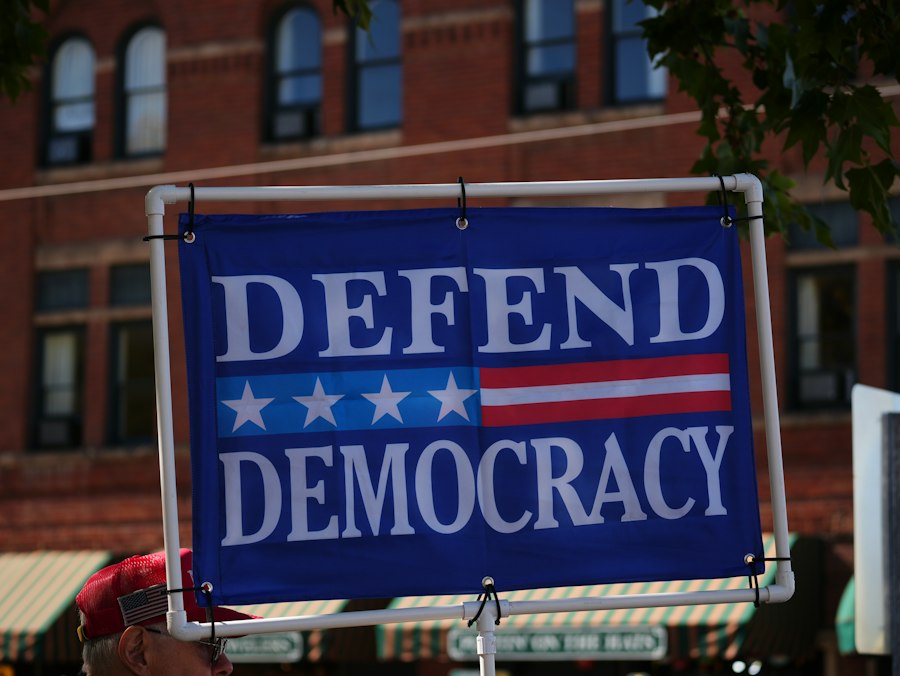
An engaged and informed citizenry is the backbone of any healthy democracy. Without people who understand the issues and are willing to participate, even the best systems can falter. This section explores how individual actions can collectively strengthen democratic participation.
- Be a Critical Consumer of Information: In an age of information overload, discerning truth from fiction is paramount. This isn’t about being cynical, but about being discerning. Instead of just reading headlines or relying on a single source, take the extra step to cross-reference information from reputable news organizations, academic institutions, and non-partisan fact-checkers. Understand that every source has a perspective, and seek out a variety of them to get a more complete picture. Question sensationalism and emotional appeals. This conscious effort helps counter misinformation and ensures your opinions are based on a solid understanding of reality, rather than manipulated narratives. It’s an active exercise in intellectual rigor that directly strengthens the public discourse.
- Actively Participate in Local Governance: Democracy isn’t just about federal elections; it’s deeply rooted in our communities. Attending town hall meetings, school board sessions, or city council gatherings might not sound exciting, but it’s where many decisions directly impacting your daily life are made. Speak up on issues that matter to you, whether it’s local zoning, public transport, or school curriculum. Volunteer for local commissions or committees if you have the time and expertise. This direct involvement not only gives you a voice in important local matters but also builds a sense of community ownership and ensures that decisions reflect the needs and desires of the residents, not just a select few. It’s where the rubber meets the road for democratic principles.
- Engage in Respectful Civil Discourse: It’s easy to retreat into echo chambers, but a healthy democracy requires us to engage with different viewpoints, even those we strongly disagree with. This doesn’t mean condoning hate speech or harmful rhetoric, but rather finding ways to discuss complex issues with others who hold different perspectives in a constructive manner. Focus on understanding their reasoning, even if you ultimately don’t agree. Listen more than you speak. Present your arguments with evidence and civility, rather than personal attacks or generalizations. Learning how to debate respectfully strengthens the fabric of society, allows for the exchange of ideas, and can sometimes even lead to unexpected common ground or creative solutions that benefit everyone.
Championing Democratic Institutions
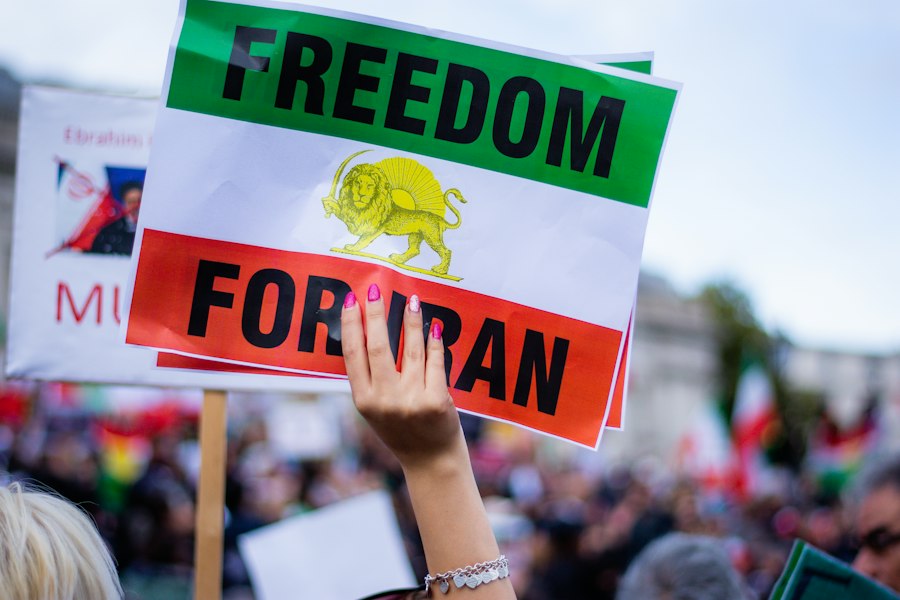
Our democratic institutions – from the courts to the press – are the guardrails that protect freedom. When these institutions are weakened, the entire system becomes vulnerable. Supporting and defending them is a critical task.
- Support and Defend a Free and Independent Press: A free press acts as a vital check on power, holding governments and other influential entities accountable. In an era of shrinking newsrooms and economic pressures, actively supporting quality journalism is more important than ever. This means subscribing to reputable news outlets, financially contributing to non-profit investigative journalism, and defending journalists against unwarranted attacks or attempts to suppress information. Understand the role of different journalistic ethics and appreciate the effort that goes into fact-checking and reporting. When the press is strong and independent, citizens are better informed, and those in power are less likely to act with impunity, which directly safeguards our freedoms.
- Uphold the Rule of Law and Judicial Independence: The rule of law means that everyone, including those in power, is subject to the same laws, and that justice is applied fairly and impartially. Judicial independence ensures that judges make decisions based solely on facts and law, free from political pressure or popular opinion. As citizens, it’s crucial to respect judicial decisions, even when we disagree with them, and to speak out against any attempts to undermine the integrity or independence of the judiciary. This could involve advocating for non-partisan judicial appointments or opposing measures that seek to politicize the courts. A strong, impartial legal system is the ultimate safeguard against tyranny and ensures that individual rights are protected for all.
- Participate in Fair and Accessible Elections: Voting is perhaps the most fundamental act in a democracy, but it’s not enough to simply show up once every few years. Actively advocate for policies that ensure fair elections, such as independent redistricting commissions, secure voting systems, and voter access initiatives that remove unnecessary barriers to participation. Volunteer to register voters, work at polling places, or monitor elections to ensure integrity. Speak out against disinformation campaigns aimed at suppressing votes or eroding confidence in election outcomes. Robust and equitable electoral processes are the bedrock of legitimate governance, ensuring that the will of the people is accurately reflected and that all voices have an opportunity to be heard.
Fostering Community and Civic Engagement
Democracy isn’t just a political system; it’s a social contract that relies on a sense of shared purpose and community. Building strong communities and encouraging broad civic participation strengthens our collective ability to protect freedom.
- Volunteer and Support Community Organizations: Contributing your time or resources to local non-profits, charities, or civic groups strengthens the social fabric of your community. These organizations often address needs that government services might miss, build social cohesion, and provide platforms for collective action. Whether it’s working at a food bank, mentoring youth, or helping with environmental clean-ups, these efforts foster a sense of shared responsibility and mutual support. A strong, interconnected community is more resilient to challenges and better equipped to advocate for its collective freedoms and interests. It also builds trust between neighbors, which is essential for a functioning democracy.
- Educate Yourself and Others on Civic Responsibilities: Many of us learn about the basics of government in school, but staying informed about our civic duties and the evolving challenges to democracy is an ongoing process. This involves reading about constitutional principles, understanding civil liberties, and learning about the history of democratic movements and their struggles. Share this knowledge with friends, family, and younger generations. Encourage discussions about current events through a civic lens, emphasizing critical thinking and the importance of active citizenship. A well-informed populace that understands its rights and responsibilities is inherently more capable of defending its freedoms against erosion.
- Support and Engage in Peaceful Protest and Advocacy: The right to peacefully assemble and express dissent is a cornerstone of a free society. When you see injustices or believe policies are harmful, joining peaceful protests, signing petitions, or contacting your elected officials are legitimate and powerful forms of democratic action. This isn’t just about complaining; it’s about making your voice heard and holding power accountable. These actions bring attention to critical issues, pressure decision-makers to respond, and can be instrumental in driving social and political change. It’s a fundamental way to exercise freedom of speech and assembly, ensuring that the voices of the people continue to shape policy and direction.
In the ongoing discussion about safeguarding freedom in a democracy, it is essential to recognize the importance of individual rights and civic engagement. A related article highlights the significance of understanding our inherent liberties and the responsibilities that come with them. For those interested in exploring this topic further, you can read more about the message of truth and hope for individuals striving for freedom by visiting this insightful piece here. Engaging with such narratives can inspire action and reinforce the values that uphold democratic societies.
Looking Ahead and Staying Vigilant
| Metric | Description | Importance Level | Example Actions |
|---|---|---|---|
| Voter Participation Rate | Percentage of eligible voters who participate in elections | High | Encourage voter registration and education campaigns |
| Freedom of Press Index | Measures the level of media freedom and independence | High | Protect journalists and promote diverse media ownership |
| Rule of Law Score | Extent to which laws are fairly applied and enforced | High | Ensure judicial independence and transparency |
| Civil Liberties Protection | Degree to which individual rights are safeguarded | High | Enforce constitutional rights and anti-discrimination laws |
| Political Pluralism | Number and diversity of political parties and viewpoints | Medium | Support fair electoral laws and equal media access |
| Transparency Index | Level of openness in government decision-making | High | Implement freedom of information laws and open data initiatives |
| Public Trust in Institutions | Percentage of citizens who trust democratic institutions | Medium | Promote accountability and anti-corruption measures |
Protecting freedom is not a one-time event; it’s a continuous process that requires constant attention and adaptation.
- Mentor the Next Generation of Engaged Citizens: One of the most impactful long-term strategies for protecting freedom is to instill democratic values and a sense of civic responsibility in younger generations. This can happen informally, by discussing current events with children and teenagers, encouraging their questions, and modeling active citizenship. It can also happen formally, through involvement in youth civic programs, school clubs, or mentorship roles. Teaching critical thinking, empathy, and the importance of participation ensures that the torch of democratic engagement is passed on, securing a future where these freedoms continue to be valued and defended by those who inherit them.
Protecting freedom in a thriving democracy is a collective responsibility, requiring continuous engagement and thoughtful action from each of us. By embracing these ten practices, we can all contribute to a more robust, resilient, and truly free society for ourselves and for future generations.
FAQs
What are the key principles of protecting freedom in a democracy?
The key principles include upholding the rule of law, ensuring free and fair elections, protecting individual rights and freedoms, promoting civic engagement, and maintaining a system of checks and balances among government branches. These principles help to safeguard against tyranny and ensure that all citizens have a voice in the democratic process.
How can citizens actively participate in protecting their freedoms?
Citizens can participate by voting in elections, engaging in community discussions, joining advocacy groups, and holding elected officials accountable. Additionally, they can educate themselves and others about their rights and the importance of democracy, as well as participate in peaceful protests and civic initiatives that promote social justice and equality.
What role does the media play in protecting democracy?
The media serves as a watchdog by investigating and reporting on government actions, thereby informing the public and fostering transparency. A free and independent press is essential for exposing corruption, promoting accountability, and providing a platform for diverse opinions, which are all crucial for a healthy democracy.
Why is the rule of law important in a democracy?
The rule of law ensures that laws are applied equally and fairly to all individuals, preventing abuses of power by government officials. It establishes a framework for justice and accountability, protecting citizens’ rights and freedoms while maintaining order and stability within society.
What can be done to combat threats to democracy?
To combat threats to democracy, it is essential to promote civic education, strengthen institutions that uphold democratic values, and encourage active participation in the political process. Additionally, combating misinformation, supporting independent media, and fostering dialogue among diverse groups can help to build resilience against authoritarianism and protect democratic freedoms.
About the Author