Freedom truly flourishes when a democracy consistently upholds specific principles and practices. It’s not just about voting; it’s about the everyday mechanisms that protect individual liberties and empower citizens. Here’s a look at the top ways freedom thrives in such a system.
Foundations of Free Societies
Building a truly free society isn’t a happy accident; it’s the result of intentional design and continuous effort. These aren’t just abstract ideals, but practical components that allow freedom to take root and grow. Without strong foundations, even the best intentions can crumble.
1. Robust Constitutional Protections for Individual Rights
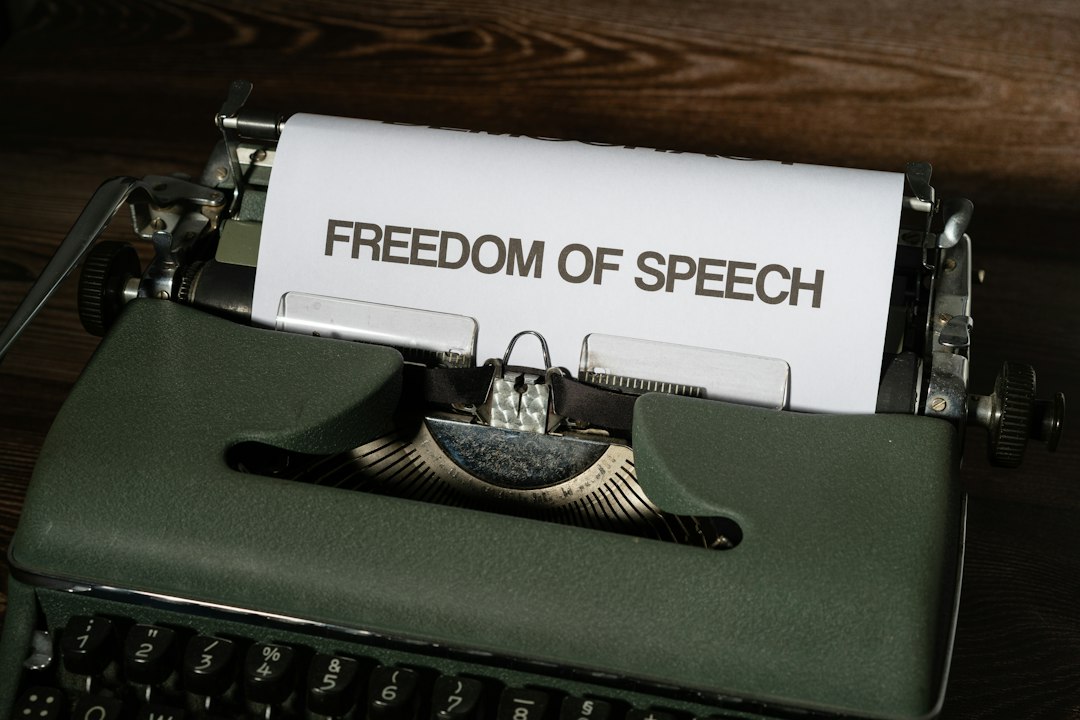
At the heart of a free democracy lies a constitution that doesn’t just mention rights, but entrenches them with significant legal weight. This means explicit safeguards for things like freedom of speech, assembly, religion, and the press. It’s about more than just listing them; it’s about making them difficult to erode or arbitrarily remove. Think of it as the ultimate legal firewall protecting you from overreach by the state or even the majority. When these protections are solid, individuals feel secure in expressing themselves and living their lives without constant fear of reprisal. This isn’t theoretical; it’s the framework that allows people to challenge injustice and advocate for change without being silenced.
2. Independent and Impartial Judiciary
Imagine a system where the rules of the game could be changed mid-play by one of the teams. That’s what happens without an independent judiciary. In a true democracy, judges aren’t beholden to political parties or the executive branch. Their role is to interpret laws fairly, uphold the constitution, and protect citizens’ rights, even when it’s unpopular. This separation of powers is critical because it acts as a check on legislative and executive authority. If you believe your rights have been violated, or a law is unjust, you need to trust that the courts will hear your case without bias. This trust is fundamental to a free society, ensuring that the law applies equally to everyone, from the most powerful politician to the average citizen.
In exploring the concept of freedom within a true democracy, it is essential to consider various perspectives on liberty and governance. A related article that delves into these themes can be found in the Liberty and Democracy Podcast, which discusses the intricate balance between individual freedoms and collective decision-making. You can listen to the podcast for a deeper understanding of how these principles interact by visiting this link.
Empowering Citizens and Oversight

A healthy democracy isn’t just about what the government does to its people, but what its people can do within and to their government. Freedom truly flourishes when citizens are empowered to participate, scrutinize, and hold power accountable. This active engagement is the lifeblood of a vibrant, free society.
3. Free and Fair Elections with Broad Suffrage
This goes beyond just having the act of voting. It means elections where all eligible adults can participate without undue obstacles, intimidation, or manipulation. Ballots need to be counted accurately and transparently, and the results must reflect the will of the people. This includes things like reasonable voter registration processes, access to polling places, and independent oversight of election procedures. When people trust the electoral process, they feel their voice matters, fostering a sense of ownership in their government. Conversely, when elections are perceived as rigged or unfair, it breeds cynicism and disengagement, which can quickly erode freedom. The ability to peacefully change leadership is a cornerstone of democratic freedom.
4. Vibrant and Unfettered Media
An independent press isn’t just a nice-to-have; it’s essential for keeping those in power honest. When journalists are free to investigate, question, and report without fear of censorship or retaliation, they serve as a crucial watchdog. This means uncovering corruption, challenging official narratives, and providing citizens with the information they need to make informed decisions. A truly free media offers diverse perspectives, allowing for robust public discourse and the marketplace of ideas. Without it, citizens are left vulnerable to propaganda and misinformation, making it difficult to hold their leaders accountable or understand the true state of affairs. This free flow of information is a powerful tool for maintaining and expanding freedom.
5. Active and Protected Civil Society
Beyond formal political structures, a healthy civil society is where groups, associations, and individuals can organize independently of the state. This includes everything from environmental groups and human rights organizations to local community clubs and professional associations. When these groups can form, operate, and advocate without undue government interference, they provide essential avenues for citizens to pursue shared interests, voice concerns, and influence policy. They act as incubators for new ideas, training grounds for future leaders, and crucial checks on government power. The ability to gather, associate, and collectively pursue goals is a fundamental aspect of human freedom and a sign of a vibrant, participatory democracy.
Checks, Balances, and Openness
True freedom requires more than just good intentions; it demands systems that inherently resist the concentration of power and promote transparency. These mechanisms are the guardrails that keep democracy on track, preventing abuses and ensuring that power remains accountable to the people.
6. Separation of Powers and Checks and Balances
This isn’t just a dusty old concept from textbooks; it’s a vital, living mechanism. Dividing governmental authority into distinct branches – legislative, executive, and judicial – prevents any one part from becoming too powerful. Each branch has its own responsibilities but also the ability to scrutinize and limit the others. For example, the legislature can pass laws, but the executive can veto them, and the judiciary can declare them unconstitutional. This constant interplay means that decisions are debated, reviewed, and justified, rather than being made unilaterally. It’s a systemic way to safeguard against tyranny and ensure that power is exercised within defined limits, protecting the freedoms of citizens by design.
7. Transparency and Accountability in Government
When government operations are opaque, corruption and abuse of power can flourish in the shadows. In a true democracy, transparency is a core principle. This means citizens have access to government information, records, and decision-making processes (within reasonable security and privacy limits). Laws like Freedom of Information Acts are critical here, allowing citizens and journalists to request and obtain documents. Accountability follows transparency: if actions are visible, then those in power can be held responsible for their decisions and conduct. This isn’t about micromanaging every detail, but about ensuring that government acts in the public interest and that there are clear consequences for misconduct. This open approach builds trust and reinforces the idea that government serves the people, not the other way around.
Protecting Minorities and Promoting Dialogue
A democracy that truly values freedom doesn’t just protect the majority; it actively ensures the rights and voices of its minorities are heard and respected. It’s also about fostering a culture where different ideas can coexist and be debated constructively, rather than suppressed.
8. Protection of Minority Rights
While democracy often involves majority rule, a true democracy distinguishes itself by also vigorously protecting the rights of minorities – whether ethnic, religious, political, or social. This isn’t just about preventing oppression; it’s about recognizing that universal human rights apply to everyone, regardless of their status within the population. Constitutional protections and an independent judiciary are vital here, ensuring that even if the majority votes for a particular policy, it cannot violate the fundamental rights of a minority group. This commitment to inclusivity prevents a “tyranny of the majority” and ensures that all citizens, regardless of their group affiliation, can live freely and participate equally in society.
9. Right to Peaceful Protest and Dissent
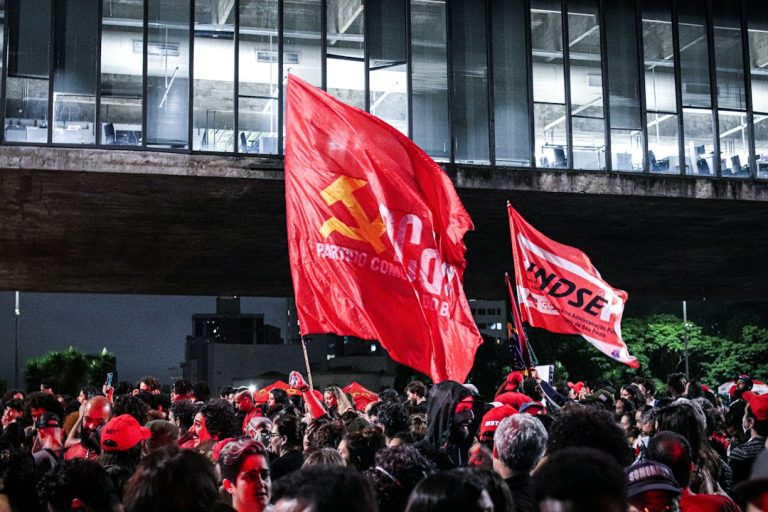
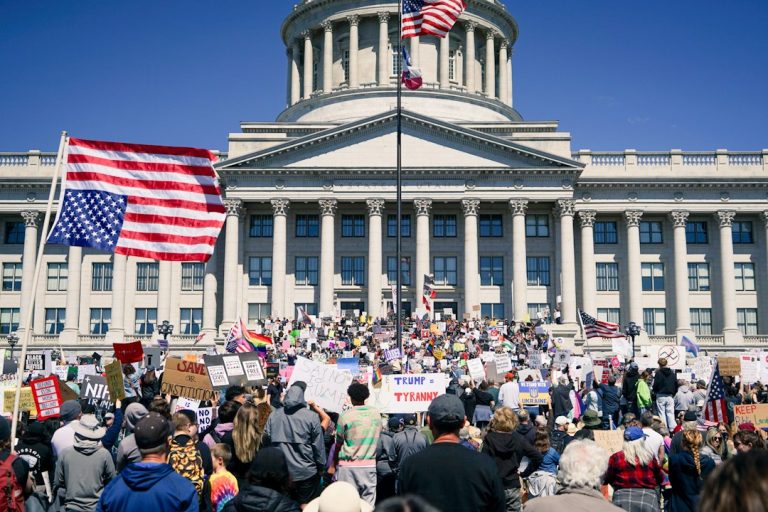
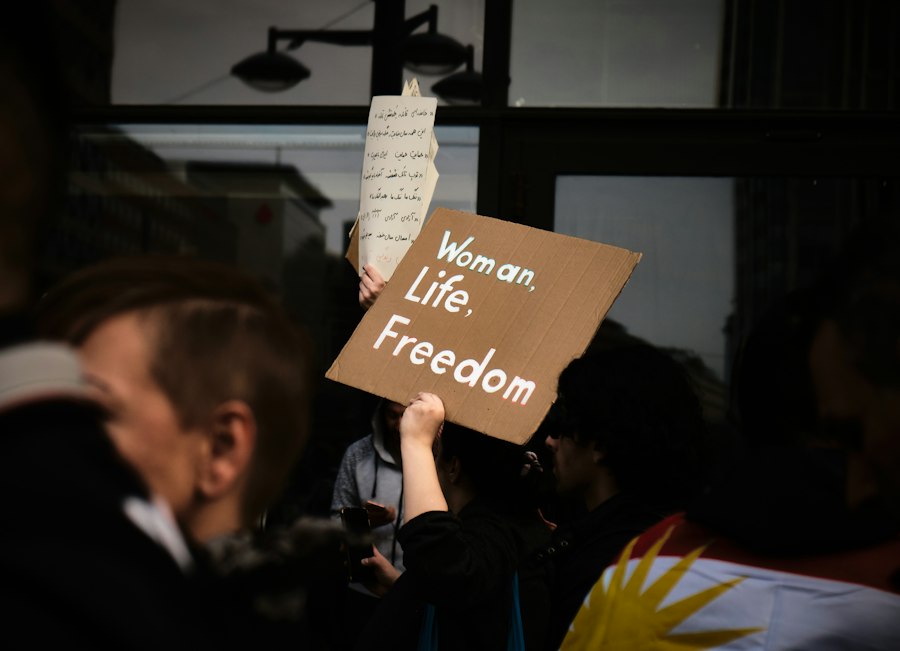
The ability to voice disagreement, organize against government policies, and protest peacefully is a hallmark of a free society. It shows that the government isn’t afraid of criticism and that citizens have legitimate avenues to express their grievances and advocate for change outside of elections. This isn’t just about shouting slogans; it’s a powerful mechanism for holding power accountable and driving societal progress. When this right is protected, citizens feel empowered to push for improvements, knowing they won’t face arbitrary suppression or violence. It’s a fundamental safety valve for democracy, allowing tensions to be released and issues to be brought into the public sphere for discussion and resolution.
In exploring the concept of freedom within a true democracy, it is essential to consider how individual rights and dignity are upheld against tyranny. A compelling article that delves into this theme is available at The Unbreakable Flame: Freedom, Dignity, and the God-Given Rights No Tyrant Can Extinguish, which discusses the intrinsic values that form the foundation of a democratic society. This piece emphasizes the importance of safeguarding personal liberties to ensure that democracy remains vibrant and resilient.
Investing in Human Potential
| Metric | Description | Typical Range in True Democracies | Example Countries |
|---|---|---|---|
| Political Rights | Ability to participate freely in political processes, including voting and running for office | 8-10 (on a scale of 1-10) | Norway, Canada, New Zealand |
| Civil Liberties | Protection of freedoms such as speech, assembly, religion, and press | 8-10 (on a scale of 1-10) | Finland, Sweden, Netherlands |
| Freedom of Expression | Degree to which individuals can express opinions without censorship or restraint | High (90-100%) | Denmark, Iceland, Australia |
| Rule of Law | Extent to which laws are fairly applied and protect individual rights | Strong (score above 0.8 on 0-1 scale) | Switzerland, Germany, Japan |
| Freedom of Assembly | Right to gather peacefully for protests, meetings, or demonstrations | Guaranteed and protected | United Kingdom, Ireland, Costa Rica |
| Media Independence | Degree to which media operates free from government control or influence | High (above 80 on Press Freedom Index) | Estonia, Portugal, Canada |
| Electoral Integrity | Fairness and transparency of elections | Very High (above 90%) | New Zealand, Sweden, Netherlands |
Ultimately, freedom isn’t just about legal frameworks; it’s about the conditions that allow individuals to reach their full potential. A true democracy invests in its people, recognizing that an informed, capable citizenry is the strongest bulwark against authoritarianism and the engine of a thriving free society.
10. Access to Quality Education and Information
An educated populace is crucial for a functioning democracy and the preservation of freedom. When citizens have access to quality education, they develop critical thinking skills, historical understanding, and the ability to engage thoughtfully with complex issues. This empowers them to discern fact from fiction, evaluate political arguments, and make informed decisions about their leaders and policies. Beyond formal schooling, access to diverse and reliable information sources (as enabled by a free press, for example) is equally important. An informed citizenry is less susceptible to manipulation and propaganda, making them more effective guardians of their own freedoms and the democratic process itself. This investment in knowledge is an investment in the long-term health and resilience of freedom.
FAQs
What is the definition of freedom in a true democracy?
Freedom in a true democracy refers to the ability of individuals to express their opinions, participate in political processes, and make choices without oppression or coercion. It encompasses civil liberties such as freedom of speech, assembly, and the press, ensuring that citizens can engage in governance and hold their leaders accountable.
How does a true democracy ensure the protection of individual rights?
A true democracy protects individual rights through a system of checks and balances, a constitution that enshrines fundamental rights, and an independent judiciary that can enforce these rights. This framework helps prevent the majority from infringing on the rights of minorities and ensures that all citizens have equal protection under the law.
What role does participation play in a true democracy?
Participation is crucial in a true democracy as it empowers citizens to influence decision-making processes. This includes voting in elections, engaging in public discourse, and being involved in civic activities. High levels of participation contribute to a more representative government and help ensure that diverse perspectives are considered in policy-making.
Can freedom in a true democracy lead to challenges or conflicts?
Yes, freedom in a true democracy can lead to challenges or conflicts, particularly when individual rights and freedoms clash with the collective interests or values of society. Balancing these competing interests requires ongoing dialogue, negotiation, and sometimes legal intervention to resolve disputes while maintaining democratic principles.
What are some examples of freedoms guaranteed in a true democracy?
Examples of freedoms guaranteed in a true democracy include freedom of speech, which allows individuals to express their thoughts without censorship; freedom of assembly, enabling people to gather peacefully for protests or meetings; and freedom of the press, which ensures that media can operate independently and inform the public without government interference.
About the Author