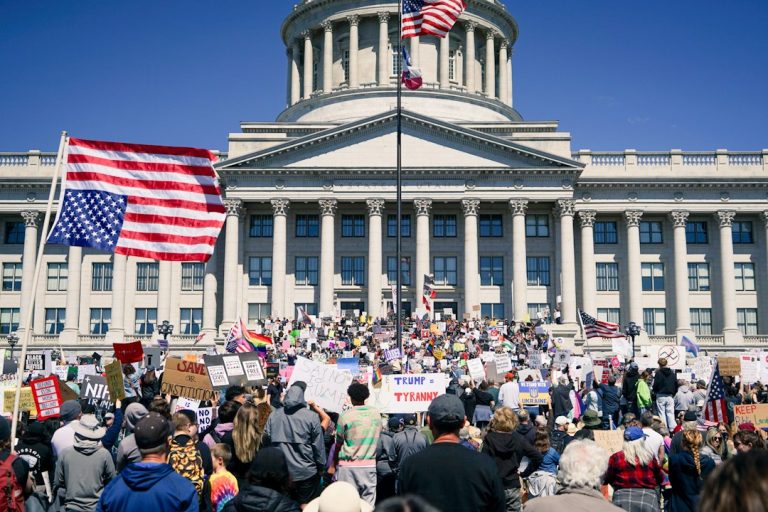
Thinking about why active citizenship matters for a democracy that actually works? Simply put, when citizens actively engage, they create a robust system that can adapt, represent its people effectively, and hold power accountable. It’s the difference between a government that just exists and one that genuinely serves its populace. Without that consistent push and participation from its people, a democracy can easily become stagnant or even falter, losing its core purpose.
Understanding the Foundation of Active Citizenship
Before we dive into the ‘why,’ let’s just quickly clarify what we mean by “active citizenship.” It’s not just about voting every four years, although that’s certainly a crucial part. Active citizenship encompasses a much broader spectrum of involvement. Think about it as being a proactive participant in the social and political life of your community and country.
Beyond the Ballot Box: What Does Active Look Like?
So, what does this active engagement actually entail? It could be anything from attending local council meetings and volunteering for community initiatives to joining advocacy groups, staying informed about current affairs, or even engaging in constructive online discussions about public policy. It also includes holding elected officials accountable, not just for their promises, but for their ongoing actions. It’s about contributing to the public sphere, understanding issues, and seeking to influence decisions that affect everyone. This isn’t about being a professional activist; it’s about recognizing your role as a stakeholder in the collective well-being.
Why “Viable Democracy” Matters
Now, let’s talk about “viable democracy.” A viable democracy isn’t just one where elections happen. It’s a democracy that functions effectively, where power is distributed, rights are protected, and the government is responsive to the needs of its citizens. It’s one that can adapt to challenges, resolve conflicts peacefully, and maintain legitimacy in the eyes of its people. Without viability, a democracy can become a hollow shell, failing to deliver on its foundational promises. Active citizenship is the lifeblood that keeps this viability flowing.
The importance of citizenship in a viable democracy cannot be overstated, as it serves as the foundation for active participation and the protection of individual rights. A related article that delves into the themes of freedom, dignity, and the resilience of the human spirit in the context of citizenship is available at this link: The Light That Cannot Be Extinguished. This piece emphasizes the vital role that engaged citizens play in shaping their societies and upholding democratic values, particularly in challenging circumstances.
1. Ensures Accountability and Reduces Corruption

One of the most immediate and impactful ways active citizenship strengthens democracy is by keeping those in power accountable. When citizens are engaged, they act as a vital check and balance, making it much harder for corruption to take root or flourish unchecked.
The Watchdog Role of Engaged Citizens
Imagine a situation where no one is paying attention to what their elected officials are doing with public funds or how they’re making decisions. In such a scenario, the temptation for corruption, self-enrichment, or neglecting public interest for private gain becomes significantly higher. Active citizens, however, play the role of a collective watchdog. They scrutinize policies, question expenditures, and demand transparency. This constant oversight creates an environment where leaders know they are being observed, making them more likely to act ethically and in the public’s best interest. It’s about sunlight being the best disinfectant.
Direct Action Against Misconduct
This accountability isn’t just passive observation. Active citizens often take direct action when they identify misconduct. This could involve reporting irregularities to independent bodies, organizing protests against questionable decisions, or supporting investigative journalism that exposes corruption. Think about citizens who track local government budgets, attend public hearings on development projects, or even campaign for stronger ethics laws. Their collective efforts create a deterrent effect, signaling to potential wrongdoers that their actions will not go unnoticed or unchallenged. This pressure from the populace can compel governments to implement stricter anti-corruption measures, strengthen independent oversight bodies, and enforce existing laws more rigorously, all of which are hallmarks of a healthy, functioning democracy.
2. Promotes Diverse Representation and Inclusive Policies
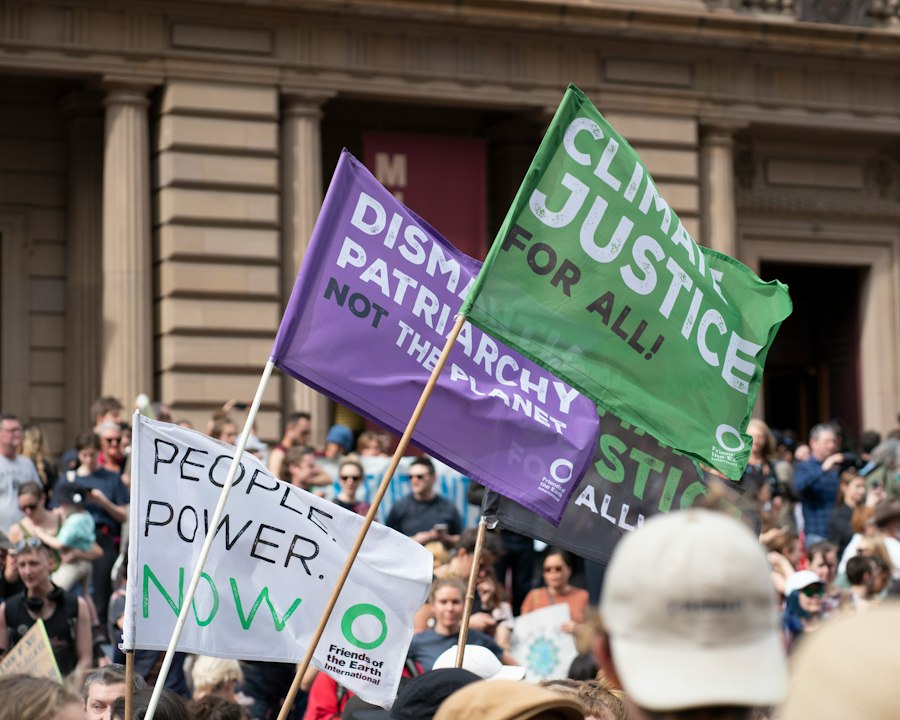
A truly democratic society strives to represent the interests of all its people, not just a select few. Active citizenship is absolutely critical in ensuring that this broad spectrum of voices is heard and that policies are developed with genuine inclusivity in mind.
Amplifying Marginalized Voices
In any society, there are groups whose voices might be less dominant due to historical, social, or economic factors. Active citizenship provides the necessary mechanisms for these marginalized communities to articulate their needs, concerns, and perspectives. When citizens from diverse backgrounds organize, advocate, and participate, they bring unique insights to the policy-making table that might otherwise be overlooked. This could involve indigenous groups advocating for land rights, disability communities campaigning for accessibility, or minority groups demanding equitable treatment. Without their active involvement, policies risk being designed from a limited perspective, failing to address the realities and challenges faced by a significant portion of the population. Their collective voice can shift the focus of public debate and ensure that issues relevant to their experiences gain traction.
Shaping Policies for Broader Benefit
When a wider range of citizens participates in the political process, the resulting policies are generally more comprehensive and beneficial for the entire community. Active citizens contribute to public discourse, debate, and the formation of consensus, which helps to craft legislation that is more reflective of societal needs. For example, local residents actively engaging in urban planning discussions can lead to more thoughtfully designed public spaces, better transportation networks, and amenities that genuinely serve the community. Similarly, citizen-led movements for environmental protection can drive the creation of more sustainable policies that protect natural resources for everyone. This active involvement helps prevent policies from being crafted solely by powerful lobbies or special interests, ensuring that the government remains attuned to the diverse and evolving needs of its entire populace. It moves democracy beyond a simple majority rule to one that actively seeks to incorporate and respect the plurality of its citizenry.
3. Fosters Political Efficacy and Trust in Institutions
When citizens actively participate and see their contributions make a difference, it cultivates a sense of political efficacy – the belief that their actions can influence government. This, in turn, builds essential trust in democratic institutions, which is a cornerstone of any viable system.
The Power of Seeing Your Impact
Think about it: if you continuously engage with the political process and never see any tangible results, you’re likely to become cynical and disengaged. Conversely, when active citizens witness their efforts leading to policy changes, improved public services, or the removal of corrupt officials, it reinforces the idea that their participation matters. For instance, a community organizing to successfully block an environmentally damaging development project or advocating for a new park experiences firsthand the power of collective action. This direct experience of making a difference is incredibly empowering and encourages continued involvement. It transforms abstract political processes into concrete outcomes, showing that democracy isn’t just a theoretical concept but a living, breathing system responsive to its people.
Rebuilding and Maintaining Trust
A healthy democracy relies heavily on trust between citizens and their government. When governments are perceived as opaque, unresponsive, or corrupt, trust erodes, leading to apathy and potential instability. Active citizenship acts as a counterweight to this erosion. By demanding transparency, holding officials accountable, and engaging in constructive dialogue, citizens can pressure institutions to become more open and responsive. When institutions demonstrate responsiveness to citizen input, it validates the democratic process and helps rebuild trust. For example, if a local council actively solicits and incorporates citizen feedback into its budgeting process, it signals respect for citizen input and fosters greater confidence in the council’s decision-making. This continuous feedback loop, driven by active engagement, is crucial for maintaining the legitimacy and long-term viability of democratic institutions. It’s about citizens and government working with each other, rather than in opposition.
The importance of citizenship in a viable democracy cannot be overstated, as it serves as the foundation for active participation and civic responsibility among individuals. Engaging in democratic processes empowers citizens to voice their opinions and influence decision-making, ultimately shaping the society in which they live. For a deeper understanding of how citizens can reclaim their role in democracy, you may find this article insightful, which discusses the need for conscious engagement and responsibility among Canadians. You can read it here: Take Back Canada: A Call to Conscience, Courage, and Country.
4. Encourages Informed Decision-Making and Critical Thinking
| Metric | Description | Importance in Democracy | Example Data |
|---|---|---|---|
| Voter Turnout | Percentage of eligible citizens who vote in elections | High turnout indicates active participation and legitimacy of elected officials | Average global turnout: ~66% |
| Civic Education | Level of knowledge about government and civic responsibilities | Informed citizens make better decisions and hold leaders accountable | Countries with mandatory civic education: 75% |
| Political Participation | Engagement in activities beyond voting (e.g., protests, petitions) | Reflects active citizenship and influence on policy-making | Participation in civic activities: 40-60% in mature democracies |
| Trust in Government | Level of public confidence in government institutions | Higher trust correlates with social stability and compliance with laws | OECD average trust: ~45% |
| Freedom of Expression | Ability to speak, assemble, and advocate without repression | Essential for debate, dissent, and democratic accountability | Press freedom index scores vary widely by country |
| Equality Before the Law | Equal rights and protections for all citizens | Ensures fairness and prevents discrimination in democratic processes | Gini coefficient for legal equality: varies, lower is better |
A strong democracy needs citizens who are not just passive recipients of information but active, critical thinkers capable of making informed decisions about complex issues. Active citizenship naturally cultivates these essential skills.
Demanding and Processing Information
When citizens are actively involved, they don’t just accept information at face value. They demand evidence, scrutinize sources, and seek out diverse perspectives. Think about people engaged in local debates about school funding or infrastructure projects. They’re likely to research budgets, analyze proposals, and understand the potential impacts on their community. This active process of seeking and evaluating information goes far beyond simply consuming headlines. It encourages a deeper engagement with facts, figures, and differing viewpoints, which is fundamental to resisting misinformation and propaganda that can undermine democratic discourse. This active information-gathering turns citizens into contributors to the public knowledge base, rather than just passive consumers.
Developing Analytical Skills Through Engagement
Active participation in democratic processes naturally hones critical thinking and analytical skills. When you’re advocating for a cause, debating a policy, or even just preparing to vote on a complex ballot measure, you’re forced to analyze arguments, weigh pros and cons, understand cause-and-effect relationships, and anticipate consequences. This isn’t just about reading; it’s about active mental processing. For example, joining a community group dedicated to sustainable development means you’ll likely learn about environmental science, economic models, and policy implementation. Engaging in such discussions and problem-solving scenarios strengthens one’s ability to think critically, identify logical fallacies, and develop well-reasoned arguments. These are invaluable skills not just for political participation but for navigating life in a complex world, creating a citizenry better equipped to make sound judgments that benefit society as a whole. This continuous mental exercise elevates the overall quality of public discourse.
5. Facilitates Peaceful Conflict Resolution and Social Cohesion
Democracies are inherently systems of diverse interests, and conflict is an unavoidable part of that. Active citizenship provides crucial pathways for resolving these conflicts peacefully and, in doing so, strengthens the social fabric of the nation.
Constructive Dialogue and Compromise
When citizens are actively engaged in democratic processes, they learn the value of constructive dialogue, negotiation, and compromise. Instead of resorting to more destructive methods to resolve disagreements, active citizens seek to influence policy through established channels like public forums, petitions, and direct engagement with representatives. This fosters an environment where differing viewpoints can be aired, discussed, and potentially reconciled. For example, a town hall meeting where residents with opposing views on a new zoning law can openly discuss their concerns and seek common ground is an act of peaceful conflict resolution in action. This process of give-and-take, where no single group always gets everything it wants, is vital for a democracy to function without constant gridlock or escalating tensions. It teaches citizens that progress often comes from finding middle ground.
Building Bridges Across Divides
Active citizenship often involves working alongside people who hold different beliefs or come from different backgrounds, all united by a common civic goal. This shared endeavor helps to build bridges across social, economic, and political divides. When people from various segments of society collaborate on community projects, advocate for shared local improvements, or participate in civil discussions about national issues, they often develop a greater understanding and empathy for each other’s perspectives. This interaction can break down stereotypes and reduce polarization, fostering a stronger sense of community and shared identity. Consider a neighborhood watch group comprising individuals from diverse socioeconomic backgrounds, all working together for local safety. Their shared purpose transcends individual differences and strengthens the collective bond. This enhanced social cohesion, born from active participation, is an indispensable element for a democracy to withstand pressures and remain viable in the long run.
6. Inspires Innovation and Adaptation in Governance
A democracy that cannot innovate or adapt to new challenges will eventually become obsolete or ineffective. Active citizenship acts as a powerful catalyst for governmental innovation and ensures that the system remains responsive to evolving societal needs.
Identifying Emerging Issues and Solutions
Governments, by their nature, can sometimes be slow to recognize or respond to emerging issues. Active citizens, being on the ground and experiencing real-world challenges, are often the first to identify new problems or unmet needs. They can then bring these issues to the attention of policymakers, often proposing innovative solutions that might not have occurred to those in formal positions of power. Think about citizen groups pushing for environmental protections in response to climate change, or advocating for new technologies in education, or even organizing around entirely new forms of civic engagement through digital platforms. Their active identification of problems and proactive suggestion of remedies keeps the government from operating in a bubble, ensuring it stays connected to the evolving realities of its constituents.
Driving Policy Experimentation and Improvement
When citizens are actively engaged, they don’t just identify problems; they often push for experimentation and refinement of policies. They can provide valuable feedback on existing programs, highlight areas for improvement, and even lobby for entirely new approaches. This citizen-led pressure for continuous improvement prevents stagnation and encourages a dynamic approach to governance. For example, local activists might campaign for pilot programs for renewable energy, or advocate for alternative approaches to public safety beyond traditional policing, or even push for reforms in local budgeting processes. Their collective voice can drive elected officials and bureaucrats to consider novel ideas, adopt best practices from other regions, or even challenge established norms. This constant feedback loop and demand for better, more effective solutions are what allow a democracy to continually evolve, adapt to new complexities, and remain relevant and effective in a rapidly changing world. Without this citizen-driven impetus, innovation might be stifled by bureaucracy or a lack of political will, diminishing the democracy’s long-term viability.
7. Cultivates a Culture of Civic Responsibility
Beyond specific actions, active citizenship fundamentally shapes the underlying culture of a society. It instills a pervasive sense of civic responsibility, where citizens view their participation not just as a right but as a duty essential for the collective good.
Shifting from Spectator to Participant
In societies where active citizenship is weak, people tend to view government and politics as something “out there,” disconnected from their daily lives, to be observed rather than influenced. Active citizenship flips this perspective entirely. It cultivates a mindset where individuals recognize their intrinsic role in shaping their community and nation. This shift from being a mere spectator to an engaged participant means people take ownership of public problems and contribute to solutions. It’s about understanding that the quality of your local park, the effectiveness of your schools, or the fairness of your laws are not just the government’s responsibility, but also yours, to a significant degree. This cultural shift fosters a collective identity where citizens feel personally invested in the success and integrity of their democratic system.
Perpetuating Democratic Values
A robust democracy relies on a consistent upholding of its core values: fairness, equality, liberty, and the rule of law. When citizens are actively engaged, they become the primary guardians and promoters of these values. They challenge injustices, advocate for human rights, and push back against authoritarian tendencies. Through their actions, they model democratic behavior for future generations, ensuring that these principles are not just enshrined in documents but are actively lived and defended. For example, participating in peaceful protests for civil rights, volunteering to monitor elections, or simply engaging in respectful debate about public issues all contribute to reinforcing these fundamental democratic tenets. This active transmission and defense of democratic values, from one generation to the next, is arguably the most crucial long-term benefit of active citizenship, ensuring the enduring viability and vibrancy of the democratic system itself. It solidifies the understanding that a democracy isn’t just a structure; it’s a living commitment.
FAQs
What is citizenship in the context of democracy?
Citizenship in a democracy refers to the status of being a recognized member of a state or nation, which grants individuals specific rights and responsibilities. It encompasses the ability to participate in the political process, including voting, running for office, and engaging in civic activities that contribute to the governance and welfare of the community.
Why is active citizenship important for a viable democracy?
Active citizenship is crucial for a viable democracy because it ensures that citizens are engaged in the political process, advocating for their rights and the common good. When citizens participate actively, they hold elected officials accountable, influence policy decisions, and contribute to a more informed electorate, which strengthens democratic institutions and promotes social cohesion.
How does citizenship education contribute to democracy?
Citizenship education plays a vital role in fostering informed and responsible citizens. It equips individuals with the knowledge of their rights and responsibilities, encourages critical thinking about political issues, and promotes civic engagement. By understanding the principles of democracy and the importance of participation, citizens are better prepared to contribute positively to their communities and the democratic process.
What are the consequences of disenfranchisement in a democracy?
Disenfranchisement, or the denial of the right to vote, can lead to significant consequences in a democracy. It undermines the legitimacy of the electoral process, creates social and political inequalities, and can result in the marginalization of certain groups. This can weaken democratic institutions and lead to disillusionment among citizens, ultimately threatening the stability and viability of the democratic system.
How can citizens promote democracy in their communities?
Citizens can promote democracy in their communities by engaging in various activities such as voting in elections, participating in local governance, volunteering for civic organizations, and advocating for social justice issues. Additionally, they can educate themselves and others about democratic principles, encourage open dialogue, and foster inclusive environments that welcome diverse perspectives, thereby strengthening the democratic fabric of their communities.
About the Author