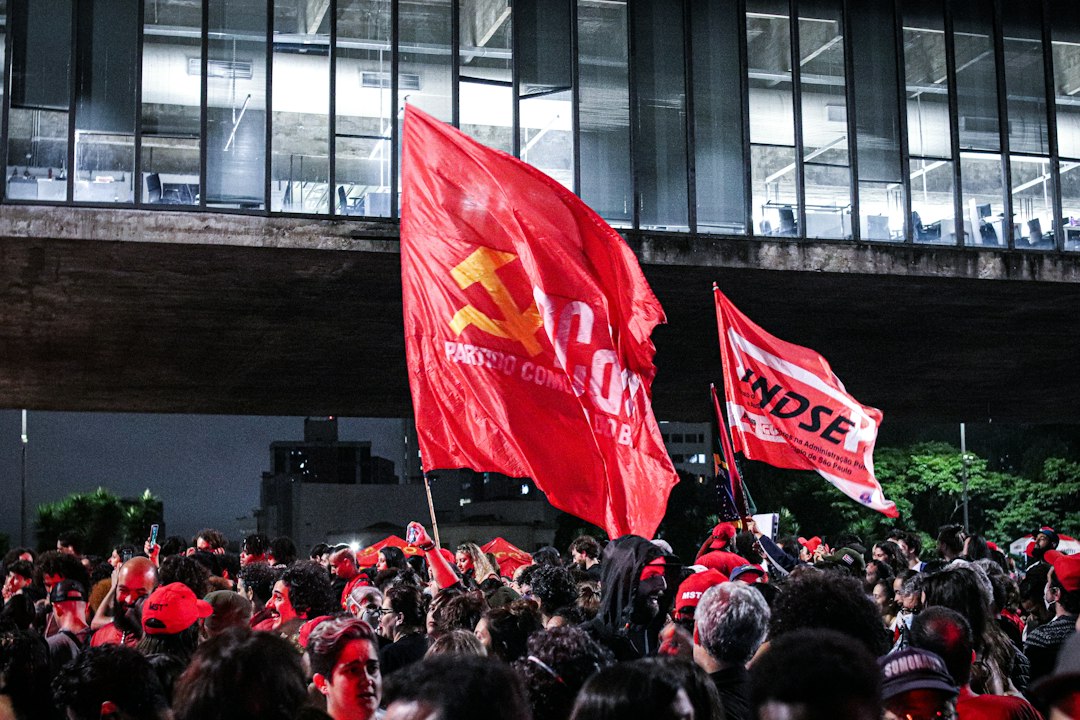
Freedom in a democracy, while often taken for granted, is surprisingly delicate and requires constant vigilance. It’s not a static state but a dynamic balance, susceptible to erosion from various forces. Understanding these vulnerabilities is the first step towards safeguarding the liberties we cherish.
The Subtle Erosion of Liberty
Democracies are built on the promise of individual freedom, but this very foundation can be chipped away almost imperceptibly. It’s rarely a dramatic overthrow; instead, it’s often a series of small compromises, incremental power grabs, and shifts in societal norms that, over time, can significantly diminish the scope of individual liberty.
1. The Lure of Security Over Freedom
One of the most potent threats to freedom in a democracy is the perennial trade-off between security and liberty. When societies face genuine threats—terrorism, pandemics, economic crises—there’s a natural inclination to prioritize safety. Governments, often with good intentions or public support, implement measures that restrict freedoms in the name of security. This can manifest as increased surveillance, limitations on speech, or restrictions on movement. The danger lies in these measures becoming normalized, even after the initial threat has subsided. Once a power is ceded to the state, it’s incredibly difficult to reclaim. We saw this after 9/11 with the PATRIOT Act, which expanded government surveillance powers, and during the COVID-19 pandemic with various restrictions on social gatherings and travel. While some measures might be necessary in emergencies, the ease with which these temporary restrictions can become permanent fixtures is a constant warning.
2. The Tyranny of the Majority (and Minority)
While democracy is often lauded as “rule by the people,” the will of the majority can, paradoxically, infringe upon the freedoms of minority groups. When a dominant group imposes its values or preferences through legislation, it can marginalize or oppress those who do not conform. This isn’t always about overt discrimination; it can be more subtle, like restrictions on certain cultural practices, limitations on religious expression, or the suppression of dissenting political views if they are deemed unpopular. Conversely, a vocal and organized minority can sometimes exert disproportionate influence, effectively dictating policy and limiting the freedoms of the broader population. This happens when well-resourced special interest groups lobby extensively or when highly motivated, but numerically small, factions hold significant sway over political processes, often leading to policies that benefit a narrow segment at the expense of general liberty.
In a democracy, the concept of freedom can often be misleadingly perceived as a permanent state, yet it remains incredibly fragile and susceptible to erosion. This fragility is highlighted in various discussions surrounding the importance of vigilance and active participation in democratic processes. For a deeper understanding of this theme, you can explore the article titled “Freedom is Not Given, It is Reclaimed,” which emphasizes the ongoing struggle for liberty, particularly in the context of the Cuban people’s fight for their rights. You can read more about it in this article: Freedom is Not Given, It is Reclaimed.
The Shifting Sands of Information and Power
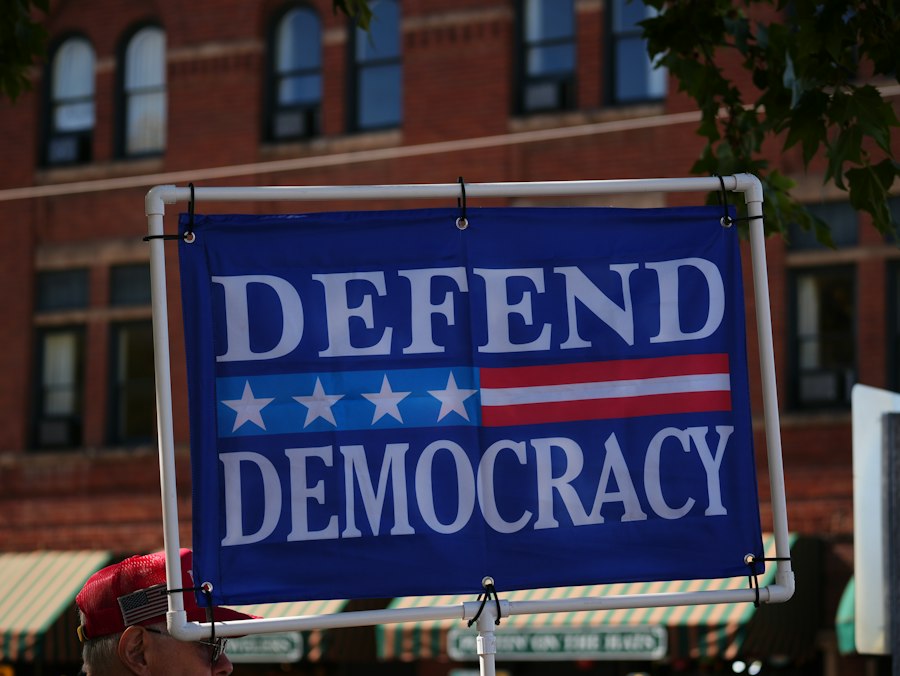
The way information flows and power is structured within a democracy also plays a crucial role in its fragility. Both can be manipulated or become unbalanced, creating environments where freedom struggles to thrive.
3. The Weaponization of Information and Disinformation
In the digital age, information is abundant, but discerning truth from falsehood has become increasingly challenging. The proliferation of disinformation, misinformation, and propaganda poses a direct threat to informed public discourse, which is essential for a functioning democracy. When citizens are bombarded with intentionally misleading narratives, it erodes trust in institutions, fuels polarization, and makes it difficult for individuals to make independent, evidence-based decisions. This weaponization of information can be used to manipulate public opinion, discredit opponents, and justify policies that erode freedoms. Social media algorithms, designed to maximize engagement, often amplify extreme views and echo chambers, further entrenching beliefs regardless of their factual basis. This makes it harder for people to engage with differing perspectives and critically evaluate information, a cornerstone of individual liberty and democratic participation.
4. The Concentration of Power and Wealth
While democracies aim for a broad distribution of power, economic and political power can become highly concentrated, undermining the principles of equality and freedom. When a small number of corporations or wealthy individuals exert disproportionate influence over political processes through lobbying, campaign donations, and media ownership, it can skew policies in their favor. This can lead to legislation that benefits the powerful at the expense of ordinary citizens, limiting economic opportunities, stifling competition, and eroding social safety nets. Such concentration also impacts access to justice and political representation, as those with fewer resources struggle to have their voices heard or challenge systemic injustices. When wealth equates to political power, the democratic ideal of “one person, one vote” is effectively undermined, leading to a system where freedoms become a commodity rather than an inherent right.
External Pressures and Internal Decay
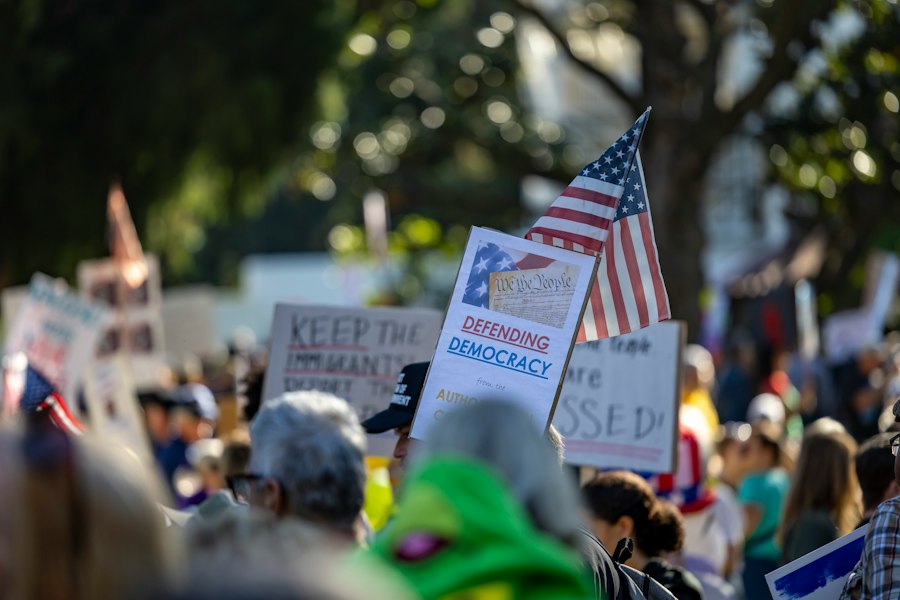
Beyond internal dynamics, external factors and a decline in civic engagement can also contribute to the fragility of freedom.
5. External Interference and Global Authoritarianism
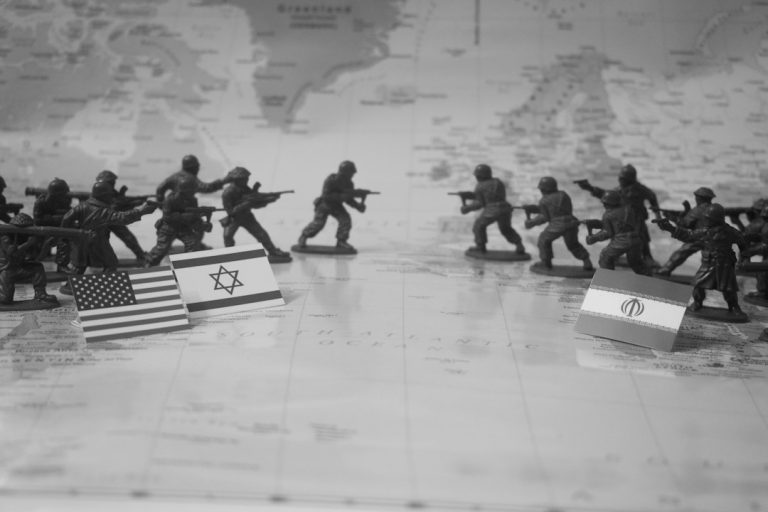
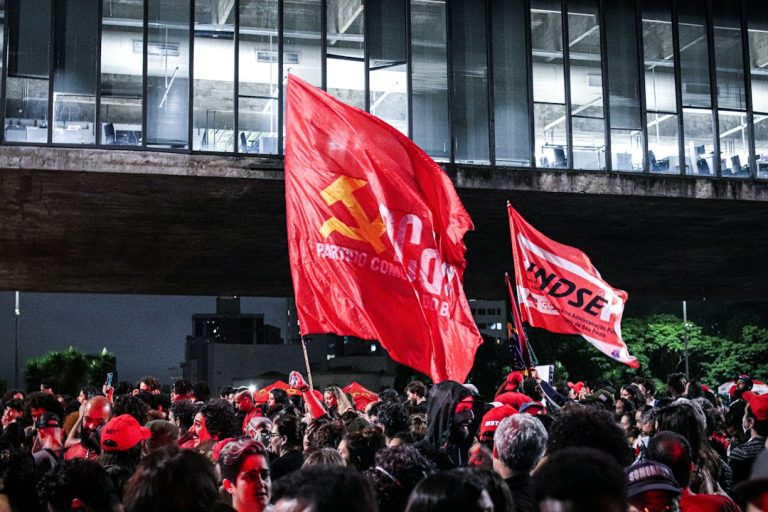
Democracies are not isolated islands; they exist within a global geopolitical landscape. External authoritarian regimes or hostile actors can actively seek to undermine democratic institutions and sow discord within free societies. This can take many forms: cyberattacks on electoral systems, funding of extremist groups, propaganda campaigns designed to exploit existing divisions, and economic coercion. The rise of global authoritarianism also presents a challenge, as it offers alternative models of governance that prioritize state control over individual liberty, potentially influencing domestic policies and emboldening those who advocate for less democratic approaches within fragile democracies. When powerful external forces are actively working to destabilize democratic processes, it puts immense pressure on a society’s ability to protect its freedoms.
6. Political Polarization and Gridlock
Healthy democracies thrive on debate and compromise. However, when political polarization becomes extreme, it can lead to intractable gridlock and a breakdown of effective governance. When political parties or factions refuse to cooperate, driven by ideology or partisan animosity rather than the common good, essential legislative processes stall. This can prevent governments from addressing pressing societal issues, leading to public disillusionment and a loss of faith in democratic institutions. In an environment of intense polarization, political discourse often devolves into personal attacks and identity politics, making it difficult to find common ground or protect the rights of those caught in the crossfire. This ultimately hinders the ability of a democracy to adapt and evolve, which is crucial for maintaining freedoms in a changing world.
7. Declining Civic Engagement and Trust
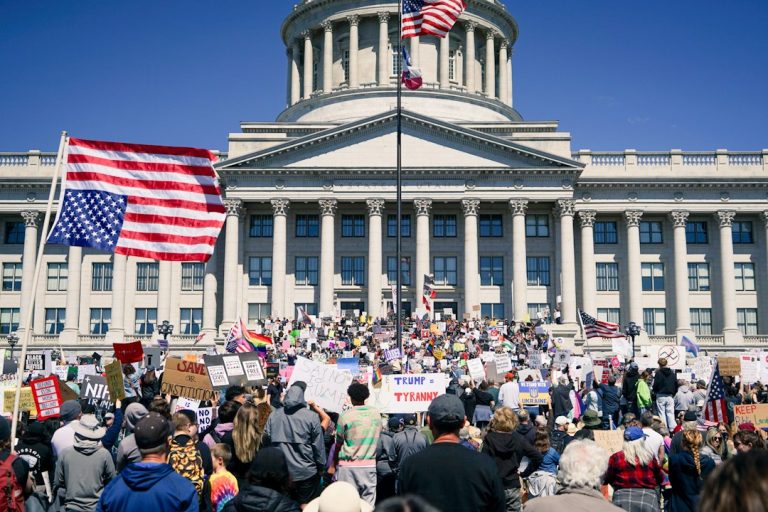
Freedom in a democracy isn’t a spectator sport; it requires active participation and vigilance from its citizens. A decline in civic engagement—whether through low voter turnout, disinterest in local governance, or a general apathy towards public affairs—leaves a vacuum that can be filled by those who seek to concentrate power. When citizens stop paying attention, challenging authority, or holding their elected officials accountable, the mechanisms designed to protect freedom begin to falter. Compounding this is a growing distrust in institutions—government, media, and even the electoral process itself. This erosion of trust makes it difficult for a society to rally around common goals, address collective problems, or resist threats to liberty effectively. A disengaged and distrustful populace is a primary indicator of a fragile democracy, as the very foundation of its legitimacy and resilience begins to crumble.
How to Actively Protect Our Freedoms
Protecting freedom isn’t about grand gestures; it’s about consistent, conscious effort from individuals and communities. It requires both vigilance against threats and active participation in the democratic process.
Engaging in Informed Citizenship
Staying informed is paramount. This means seeking out diverse news sources, critically evaluating information, and understanding the nuances of complex issues. Don’t rely solely on social media feeds for your news; actively seek out reputable journalism and engage with dissenting viewpoints respectfully. Supporting independent journalism, which often acts as a crucial check on power, is also a practical step. Beyond consumption, engage in thoughtful discussion with others, challenging misinformation when you encounter it, but doing so with a commitment to facts and respectful dialogue.
Supporting and Participating in Democratic Institutions
Actively participate in the democratic process beyond just voting. This includes volunteering for campaigns, contacting your elected representatives to voice your opinions, attending local government meetings, and even considering running for office yourself at any level. Support organizations that advocate for civil liberties, voting rights, and government transparency. These institutions and organizations often serve as the bulwarks against overreach and the erosion of freedom. Remember that democracy is a participatory sport, and your involvement, however small, strengthens the whole.
Fostering Critical Thinking and Media Literacy
Encouraging critical thinking skills from a young age is vital. In an age of information overload, the ability to analyze, question, and verify information is a fundamental defense against manipulation. Schools, families, and communities all have a role to play in teaching media literacy—how to identify bias, distinguish fact from opinion, and understand the motivations behind different information sources. A populace equipped with strong critical thinking skills is far less susceptible to propaganda and disinformation, thereby strengthening the collective ability to protect freedoms.
Advocating for Transparency and Accountability
Demand transparency from your government and other powerful institutions. Support legislation and policies that promote open records, ethical conduct, and accountability for public officials. Whistleblower protections are crucial for bringing malfeasance to light. When power operates in the shadows, it’s easier for freedoms to be eroded without public awareness. Push for independent oversight bodies and robust checks and balances to ensure that no single branch or individual can wield unchecked authority.
Building Bridges, Not Walls
In an era of increasing polarization, actively seeking to understand different perspectives and building common ground is more important than ever. While robust debate is healthy, demonizing opponents or withdrawing into ideological echo chambers weakens the fabric of society. Engage in civil discourse, even with those with whom you disagree profoundly. Focus on shared values and common goals. A society fractured by unbridgeable divides is highly vulnerable to external and internal pressures that threaten freedom. Strong communities built on mutual respect are more resilient.
In exploring the concept of freedom within a democracy, it becomes evident that this precious right is often more fragile than it appears. Factors such as political polarization, the erosion of civil liberties, and the rise of authoritarian tendencies can threaten the very foundations of democratic societies. For a deeper understanding of how these dynamics play out and the importance of safeguarding our freedoms, you might find this article on the unbreakable flame of freedom insightful. It discusses the inherent dignity and rights that no tyrant can extinguish, which is crucial in recognizing the delicate balance that sustains democracy. To read more, visit this article.
Conclusion
| Factor | Description | Impact on Freedom | Example |
|---|---|---|---|
| Concentration of Power | When power is centralized in a few hands, checks and balances weaken. | Leads to authoritarianism and limits individual freedoms. | Decline of democratic institutions in Venezuela |
| Weak Rule of Law | Laws are not applied equally or fairly to all citizens. | Undermines justice and allows abuse of power. | Corruption in judiciary systems |
| Disinformation and Media Control | Spread of false information and government control over media outlets. | Manipulates public opinion and restricts informed decision-making. | State-controlled media in authoritarian-leaning democracies |
| Political Polarization | Deep divisions between political groups hinder cooperation. | Leads to gridlock and erosion of democratic norms. | Extreme partisan conflicts in the US Congress |
| Voter Suppression | Barriers that prevent certain groups from voting. | Reduces representation and weakens democratic legitimacy. | Restrictive ID laws and gerrymandering |
| Economic Inequality | Large disparities in wealth and access to resources. | Concentrates influence and limits equal participation. | Influence of wealthy donors in elections |
| Threats to Civil Liberties | Restrictions on freedom of speech, assembly, and privacy. | Suppresses dissent and weakens democratic engagement. | Surveillance programs and protest crackdowns |
Freedom in a democracy is a precious, often understated, achievement that is never fully secured. It’s a continuous project, demanding constant cultivation and protection. By understanding the forces that make it fragile—from the allure of security to the weaponization of information and the decline in civic engagement—we can better equip ourselves to defend it. Protecting our liberties isn’t just the government’s job; it’s a shared responsibility that requires active, informed, and engaged citizens. Only through collective vigilance and participation can we ensure that the freedoms we cherish continue to endure for future generations.
FAQs
What does it mean for freedom to be fragile in a democracy?
Freedom being fragile in a democracy refers to the idea that civil liberties and rights can be easily undermined or eroded, even in systems that are designed to protect them. Factors such as political polarization, the rise of authoritarianism, and the manipulation of public opinion can threaten the stability of democratic freedoms.
What are some historical examples of fragile freedoms in democracies?
Historical examples include the rise of fascism in Europe during the 20th century, where democratic institutions were dismantled, and civil liberties were suppressed. More recently, the erosion of democratic norms in countries like Hungary and Poland illustrates how freedoms can be compromised even in established democracies.
How does political polarization affect freedom in a democracy?
Political polarization can lead to an “us vs. them” mentality, where opposing political factions may prioritize power over principles. This can result in the justification of authoritarian measures, suppression of dissent, and the weakening of checks and balances, ultimately threatening individual freedoms.
What role does public opinion play in maintaining freedom in a democracy?
Public opinion is crucial in a democracy as it influences policy decisions and the behavior of elected officials. When misinformation spreads or when citizens become apathetic, it can lead to a lack of accountability and the erosion of democratic norms, making freedoms more vulnerable to attack.
What can citizens do to protect their freedoms in a democracy?
Citizens can protect their freedoms by staying informed, participating in the democratic process through voting and advocacy, supporting civil society organizations, and holding elected officials accountable. Engaging in constructive dialogue and promoting tolerance can also help strengthen democratic values and protect freedoms.
About the Author