Thinking about freedom, it’s not just a big, abstract idea. It’s really about the ability to make choices in your life, to act and think as you believe is right, without someone else always telling you what to do. It’s the personal space we all crave to truly be ourselves.
Finding Your North Star: Why Freedom Quotes Matter
Ever feel like you’re just going through the motions? Or maybe you’re facing a tough decision and wish you had a little nudge in the right direction. That’s where a good quote can come in handy. It’s not about finding a magic bullet, but sometimes, hearing a well-phrased thought from someone who’s wrestled with similar concepts can really help you clarify your own thinking.
These quotes about freedom aren’t just pretty words. They’re often distillations of profound experiences, offering different angles on what it means to be truly free. Whether it’s freedom from fear, freedom to pursue your passions, or freedom to simply be yourself, these insights can be a practical tool to help you reflect and, perhaps, even shift your perspective on your own choices and circumstances. They can act like little mental signposts, reminding you of the power you inherently possess.
The Power of Reflection: More Than Just Soundbites
It’s easy to read a quote, nod along, and then forget it five minutes later. But the real value comes from pausing and letting the words sink in. Think about how they might apply to your own life. Are there areas where you feel restricted? Are there choices you’re avoiding?
These quotes aren’t prescriptive; they won’t tell you what to do. Instead, they’re designed to spark your own internal conversation. They invite you to consider what freedom truly means to you in your specific situation. This active reflection is what turns a simple statement into a potentially powerful catalyst for change or understanding.
The concept of freedom is multifaceted, encompassing various dimensions such as personal autonomy, political rights, and social liberties. For a deeper exploration of this topic, you can refer to a related article that delves into the essence of freedom, dignity, and the inherent rights that are fundamental to human existence. This article, titled “Episode 65: The Unbreakable Flame – Freedom, Dignity, and the God-Given Rights No Tyrant Can Extinguish,” provides valuable insights into how these rights are intertwined and essential for a just society. You can read it [here](https://iwantliberty.com/blog/2026/03/09/episode-65-the-unbreakable-flame-freedom-dignity-and-the-god-given-rights-no-tyrant-can-extinguish/).
Insights from History’s Thinkers: Embracing Self-Liberation

Let’s dive into some of these thoughtful reflections. These aren’t just lines to memorize; they’re invitations to explore the depths of what freedom truly entails.
1. “The only way to deal with an unfree world is to become so absolutely free that your very existence is an act of rebellion.” – Albert Camus
Camus, an existentialist philosopher, really throws down the gauntlet with this one. He’s suggesting that even when external circumstances are restrictive, you still possess an internal freedom. It’s about cultivating a mindset where your actions and thoughts are independent, regardless of the pressures around you. This isn’t about physical escape as much as it is about intellectual and spiritual liberation.
Think about it this way: even if you’re in a job you don’t love, you can choose how you react to it, how you approach your tasks, and how you spend your time outside of it. Your internal compass can remain unbent, making your authentic self a quiet but powerful defiance against anything that seeks to constrain you. It’s a call to find and protect your inner autonomy.
2. “Freedom is never voluntarily given by the oppressor; it must be demanded by the oppressed.” – Martin Luther King Jr.
Dr. King’s words are a potent reminder that freedom often requires effort and intentional action. He’s speaking from a context of profound social injustice, highlighting that those who hold power rarely relinquish it without a fight or strong advocacy. This quote is a powerful call to agency, urging individuals and communities not to passively wait for change, but to actively work towards it.
In a more personal sense, this can translate to advocating for your own needs, setting boundaries, or speaking up when something feels wrong. It’s about recognizing that sometimes, you have to be the one to initiate the conversation or take the steps to carve out your own freedom, whether that’s in a relationship, a workplace, or a personal pursuit. It’s a reminder that self-advocacy is a crucial component of true freedom.
3. “For to be free is not merely to cast off one’s chains, but to live in a way that respects and enhances the freedom of others.” – Nelson Mandela
Mandela offers a deeper, more interconnected view of freedom here. He’s telling us that freedom isn’t just about what you gain for yourself; it’s also about how you use that freedom in relation to others. True liberation, in his view, carries a responsibility to ensure that others can also experience their own freedom. This perspective moves beyond individualistic notions of liberty to embrace a communal, ethical dimension.
Consider how your choices impact those around you. Does your pursuit of freedom inadvertently restrict someone else’s? This quote encourages a thoughtful approach to personal liberty, prompting us to build a world where everyone can thrive, not just ourselves. It’s a call for empathy and conscious action, recognizing that our freedoms are often intertwined.
4. “I would rather be a free bird in the wild than a caged bird in a gilded cage.” – Unknown
While the author is unknown, the sentiment here is crystal clear and powerfully illustrative. It presents a stark contrast between perceived comfort or security and genuine liberty. A gilded cage, no matter how beautiful or safe, is still a cage. This quote emphasizes that true freedom often means choosing autonomy and the unknown over a life that offers material comfort but lacks fundamental self-determination.
Think about situations where you might be tempted to stay in a comfortable but unfulfilling situation—a job you’ve outgrown, a relationship that stifles you. This quote challenges you to question whether the “gilding” is worth the “cage.” It’s a powerful metaphor for prioritizing authenticity and the ability to chart your own course, even if it means stepping into uncertainty.
5. “Freedom is the oxygen of the soul.” – Edward R. Murrow
Murrow’s statement is wonderfully concise and impactful. By comparing freedom to oxygen, he highlights its fundamental importance for well-being. Just as a living being cannot survive without oxygen, the soul (our essence, our spirit, our true self) cannot truly thrive without freedom. It’s not a luxury; it’s a basic requirement for a fulfilling existence.
This quote makes you consider what happens when your freedom is restricted. Do you feel stifled, drained, or lifeless? It underscores how vital it is to protect and nurture your personal freedoms, allowing your “soul” to breathe and flourish. It’s a poetic reminder that our inner world deeply relies on the space to be ourselves.
Cultivating Personal Liberation: Actionable Takeaways
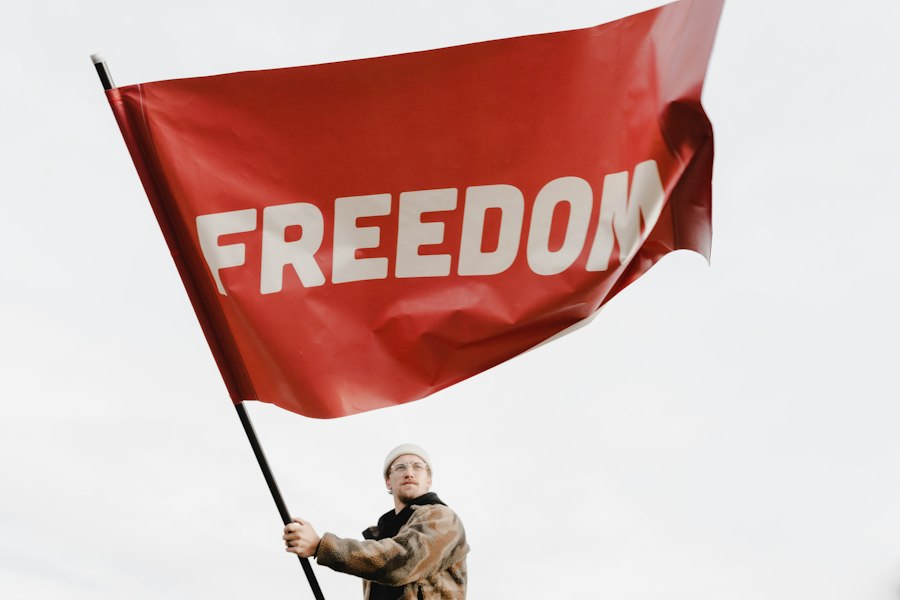
These quotes aren’t just for contemplation; they’re meant to inspire action. Thinking about freedom is one thing, but actually incorporating it into your daily life is where the real magic happens.
Identifying Your “Cages”
Start by honestly assessing your own life. Where do you feel restricted? Are there external pressures that are limiting your choices, or are there internal beliefs and fears that are holding you back? Sometimes, the most subtle “cages” are the ones we build for ourselves, or that society subtly constructs around us.
This isn’t about blaming; it’s about identifying. Recognize the patterns or situations that make you feel less than free. This self-awareness is the crucial first step toward dismantling those barriers, whether they’re tangible or invisible. What narratives are you telling yourself that might be keeping you stuck?
Embracing Small Acts of Rebellion
You don’t need to quit your job or move to a new country overnight to experience more freedom. Start small. Perhaps it’s setting a boundary with someone, dedicating time to a passion project, or simply choosing to say “no” to something that doesn’t align with your values.
Remember Camus’s idea of making your very existence an act of rebellion. This can be as simple as choosing to think differently, to challenge a prevailing assumption, or to express an unpopular opinion respectfully. These small acts build momentum and reinforce your sense of agency.
Advocating for Yourself and Others
Taking a cue from Dr. King and Mandela, consider how you can advocate for your own freedom and, importantly, for the freedom of others. This could mean speaking up in a meeting, supporting a cause you believe in, or helping someone else navigate a difficult situation where their autonomy is at stake.
Advocacy isn’t always about grand gestures. It can be about creating inclusive spaces, listening actively, or challenging microaggressions. It’s about recognizing that our individual freedoms are often interconnected, and working to expand the circle of liberty for everyone.
The Inner Work: Building Resilience and Autonomy
Freedom isn’t just about what’s outside of you; a huge part of it is an internal landscape. It’s about how you approach challenges and maintain your sense of self, regardless of external circumstances.
Conquering the Fear of the Unknown
The “gilded cage” often represents a known, albeit limiting, comfort zone. Stepping out of it requires confronting the fear of the unknown. This fear can manifest as anxiety about failure, judgment, or simply what comes next.
Building internal resilience means developing strategies to manage these fears. This could involve mindfulness practices, setting realistic small goals, or seeking support from trusted friends or mentors. It’s about gradually expanding your comfort zone, one conscious choice at a time, and learning to trust your ability to adapt.
Developing Your Personal Compass
Murrow’s “oxygen of the soul” highlights the need for an inner guide. This personal compass is your set of core values, beliefs, and aspirations that truly define you. When you’re aligned with your compass, your choices feel authentic and energizing.
Take time to reflect on what truly matters to you. What principles do you live by? What kind of person do you want to be? When you have a clear sense of your inner compass, making choices that lead to greater freedom becomes much easier because you have a clearer destination in mind. It helps you distinguish between what others expect and what genuinely serves your soul.
Freedom is a fundamental concept that encompasses the ability to act, speak, or think without hindrance or restraint. It is often explored in various contexts, including political, social, and personal dimensions. For a deeper understanding of this vital topic, you might find the article on the message of hope and truth for the people of North Korea particularly enlightening. It discusses the essence of freedom and its significance in a society where such liberties are often suppressed. You can read more about it in this insightful piece here.
Freedom as a Journey: Embracing Ongoing Growth
| Aspect | Definition | Measurement/Metric | Example |
|---|---|---|---|
| Political Freedom | The right to participate in political processes without oppression. | Freedom House Political Rights Score | Right to vote and run for office |
| Civil Liberties | Protection of individual rights such as speech, religion, and assembly. | Freedom House Civil Liberties Score | Freedom of speech and press |
| Economic Freedom | The ability to control one’s own economic resources and choices. | Index of Economic Freedom by Heritage Foundation | Right to own property and start a business |
| Personal Freedom | Autonomy over personal decisions and lifestyle. | World Happiness Report (related to autonomy) | Freedom to choose one’s occupation or religion |
| Freedom from Oppression | Absence of coercion, discrimination, or unjust restrictions. | Human Rights Watch Reports | Protection against unlawful detention |
Freedom isn’t a destination you arrive at and then check off a list. It’s an ongoing process, a continuous negotiation between your internal world and the external realities.
The Ever-Evolving Definition of Freedom
What freedom means to you today might be different five years from now, or even five months from now. As you grow, learn, and experience new things, your understanding of what true liberation entails will likely shift.
Be open to this evolution. Regularly check in with yourself. Are you still feeling aligned with your choices? Are there new areas where you want to expand your sense of freedom? This flexible approach ensures that your pursuit of freedom remains relevant and authentic to your current self.
Celebrating Small Victories
Every step you take towards greater freedom, no matter how small, is worth acknowledging. Did you successfully set a boundary? Did you voice an opinion that felt important to you? Did you make time for a personal passion?
Celebrating these small victories reinforces positive behavior and builds confidence. It reminds you that you have the power to make choices and influence your own life, step by step. This positive reinforcement is crucial for sustaining your journey towards a more liberated and fulfilling existence.
FAQs
What is the definition of freedom in the context of the English language?
In the English language, freedom is defined as the state of being free, which encompasses the power or right to act, speak, or think as one wants without hindrance or restraint. It implies the absence of coercion or oppression and the ability to make choices independently.
How does the concept of freedom vary across different cultures?
The concept of freedom can vary significantly across cultures, as it is influenced by historical, social, and political contexts. In some cultures, freedom may emphasize individual rights and personal autonomy, while in others, it may focus on community well-being and collective responsibilities.
What are the different types of freedom recognized in philosophical discussions?
Philosophical discussions often recognize several types of freedom, including political freedom (the right to participate in governance), personal freedom (the ability to make choices about one’s life), economic freedom (the right to control one’s economic resources), and social freedom (the ability to express oneself and associate with others).
How does freedom relate to human rights?
Freedom is a fundamental aspect of human rights, as many human rights are designed to protect individuals’ freedoms. Documents like the Universal Declaration of Human Rights emphasize the importance of freedoms such as speech, assembly, and religion, asserting that these rights are essential for human dignity and development.
What are some common misconceptions about freedom?
Common misconceptions about freedom include the belief that it means the absence of all constraints, when in fact, some limitations are necessary for the protection of others’ rights. Additionally, some people confuse freedom with license, assuming that freedom allows for any behavior without regard for consequences or social norms.
About the Author